7 Best Wired IEMs Under 100 Dollars in 2026
The Simgot EW200 is the strongest all-round pick for most buyers: a single dynamic driver, a metal shell and a tuning that suits both music and games. If you want a detachable cable and a more neutral sound, look at the Moondrop Chu II. If gaming positional audio matters most, the Truthear GAT is the better fit. All three sit well under 100 dollars.
 By Shihab Mia · Published 28 Nov 2026
We run no ads and no affiliate links at launch. The order of a list follows our published method. How lists are ordered: how we score.
Prices are the starting prices vendors list publicly. Plans change, so confirm the current price on the vendor page before you buy.
Key takeaways
- Most picks here cost between about 20 and 80 dollars, so the 100 dollar ceiling leaves room for a spare cable or tips.
- A detachable cable is the single most useful feature at this price: it lets you replace a worn cable instead of the whole earphone.
- Check the connector type before buying: 0.78mm two pin and MMCX cables are not interchangeable.
- Wired IEMs need no battery and no charging, which makes them a low maintenance option for long sessions.
- Fit and tip choice affect sound more than most spec sheet differences at this price.
Side-by-side
Grouped by fit and cost. Tap a product to jump to its full entry.
| Fit | Cost | |||
|---|---|---|---|---|
| Product | Best for | Standout feature | Listed starting price | Free plan or trial |
| 1Simgot EW200 | All-round music and gaming | Metal shell | Check current retail price | One-time hardware purchase |
| 2Moondrop Chu II | Neutral tuning with detachable cable | Very low price | Check current retail price | One-time hardware purchase |
| 3Truthear GAT | Gaming and positional audio | Tuning aimed at clarity and imaging | Check current retail price | One-time hardware purchase |
| 47Hz Salnotes Zero:2 | First IEM on a tight budget | Low price | Check current retail price | One-time hardware purchase |
| 5Linsoul Kiwi Ears Cadenza | Warm, easy listening | Warmer tuning | Check current retail price | One-time hardware purchase |
| 6Tangzu Wan'er S.G | Vocal focused music | Very low price | Check current retail price | One-time hardware purchase |
| 7Truthear Hexa | Detail and monitoring | Hybrid driver design | Check current retail price | One-time hardware purchase |
How we picked
This guide was built from vendor product pages, published spec sheets and manufacturer pricing, not from lab testing. Each model was checked for current availability, release window, driver type, cable connection and listed price. We dropped models that are discontinued or that sit above the 100 dollar limit, and we noted where a brand sells mainly through one store, since that affects returns. Prices are the figures we could confirm at the time of writing and should be rechecked before buying.
The 7 picks in detail
- Best for
- All-round music and gaming
- Standout
- Metal shell
- Starting price
- Check current retail price
- Free plan or trial
- One-time hardware purchase
The EW200 uses a single dynamic driver in a metal housing, with a detachable two pin cable. Simgot tunes it toward a balanced response with a mild bass lift, which keeps music lively without burying midrange detail. For games, the staging is wide enough to place footsteps and gunfire without effort.
It suits buyers who want one earphone for everything and do not want to think about source gear. The impedance and sensitivity are friendly to phones, dongles and motherboard jacks. The main catch is the accessories: the stock cable is functional rather than nice, and there is no hard case, so budget a little for a replacement cable if you are rough on gear.
Where the price comes from
Check current retail price. Hardware prices move often, so check the Simgot EW200 maker page or a retailer before you buy.
Benefits
- Metal shell
- single dynamic driver with a clean tuning
- detachable 0.78mm two pin cable
Drawbacks
- Cable is basic
- no case in the box
Use case to skip: this limit matters to you: cable is basic.
Our take. A sensible pick for all-round music and gaming.
If it does not fit, compare Moondrop Chu II or Truthear GAT in this list.

- Best for
- Neutral tuning with detachable cable
- Standout
- Very low price
- Starting price
- Check current retail price
- Free plan or trial
- One-time hardware purchase
The Chu II is the successor to the original Chu, and the key change is the detachable cable, which fixes the biggest complaint about the first version. Moondrop describes a single dynamic driver with a tuning close to its target response: mids are forward, treble is present but not sharp, and bass is polite.
That makes it a good pick for acoustic music, podcasts and long listening sessions, and a decent budget option for games where you want clarity over rumble. It is not the choice for bass heavy genres. The plastic shell is light and comfortable but will not feel as solid as metal rivals, and the low price means you should expect basic accessories.
Where the price comes from
Check current retail price. Hardware prices move often, so check the Moondrop Chu II maker page or a retailer before you buy.
Benefits
- Very low price
- detachable cable
- clean, neutral-leaning tuning
Drawbacks
- Light on sub bass
- plastic shell feels less premium
Use case to skip: this limit matters to you: light on sub bass.
Our take. A sensible pick for neutral tuning with detachable cable.
If it does not fit, compare Simgot EW200 or Truthear GAT in this list.
- Best for
- Gaming and positional audio
- Standout
- Tuning aimed at clarity and imaging
- Starting price
- Check current retail price
- Free plan or trial
- One-time hardware purchase
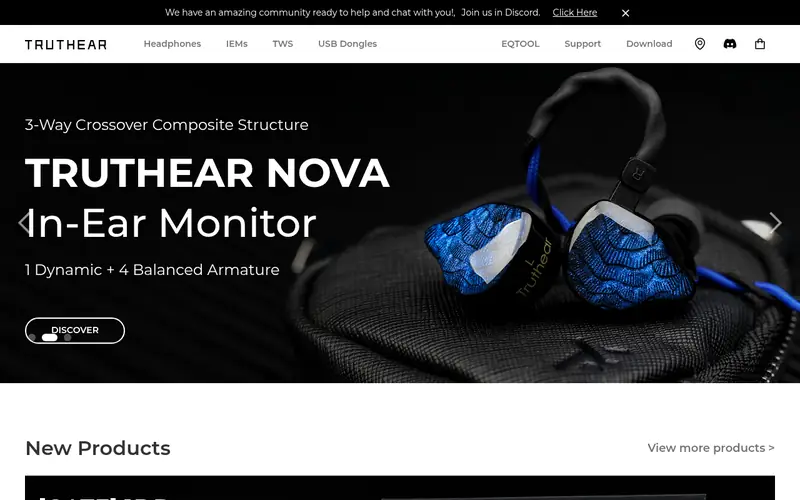
Truthear positions the GAT as a gaming oriented model, and the tuning reflects that: the emphasis is on midrange and treble clarity, which helps with directional cues in shooters. The shell is shaped for longer sessions and the cable detaches for replacement.
For music it works best with genres that do not demand deep bass, such as rock, jazz and vocal tracks. Buyers who want a single set for bass heavy music and games may prefer the Simgot EW200 instead. The price is the main catch: at around 60 dollars it is well inside the 100 dollar limit but roughly triple the cheapest pick here, so it makes most sense if gaming is your priority.
Where the price comes from
Check current retail price. Hardware prices move often, so check the Truthear GAT maker page or a retailer before you buy.
Benefits
- Tuning aimed at clarity and imaging
- comfortable shell shape
- detachable cable
Drawbacks
- Costs more than most budget picks
- bass is restrained
Use case to skip: this limit matters to you: costs more than most budget picks.
Our take. A sensible pick for gaming and positional audio.
If it does not fit, compare Simgot EW200 or Moondrop Chu II in this list.
- Best for
- First IEM on a tight budget
- Standout
- Low price
- Starting price
- Check current retail price
- Free plan or trial
- One-time hardware purchase
The Zero:2 is the updated version of 7Hz's popular budget model, with a detachable cable and a tuning that stays close to neutral with a small bass lift. It is one of the most common entry points into wired IEMs, and the price makes it easy to try without much risk.
It handles music and games without obvious weakness, though it does not stand out in any one area. The plastic shell is light, which helps comfort, and the cable is replaceable. Expect a basic set of tips and no case. If you are unsure whether wired IEMs suit you, this is a sensible first purchase before spending more.
Where the price comes from
Check current retail price. Hardware prices move often, so check the 7Hz Salnotes Zero:2 maker page or a retailer before you buy.
Benefits
- Low price
- detachable cable
- balanced tuning that suits many genres
Drawbacks
- Plain accessories
- shell is lightweight plastic
Use case to skip: this limit matters to you: plain accessories.
Our take. A sensible pick for first IEM on a tight budget.
If it does not fit, compare Simgot EW200 or Moondrop Chu II in this list.

- Best for
- Warm, easy listening
- Standout
- Warmer tuning
- Starting price
- Check current retail price
- Free plan or trial
- One-time hardware purchase
The Cadenza is a single dynamic driver model from Kiwi Ears, a brand sold through Linsoul. Its tuning leans warm, with a fuller low end and a smoother top end than the neutral picks on this list. That makes it forgiving of harsh recordings and easy to listen to for hours.
For gaming it is serviceable but less incisive than the Truthear GAT, since the softer treble reduces some positional cues. It suits buyers who find neutral IEMs thin or bright. The catch is availability: Kiwi Ears products are sold mainly through Linsoul, so local returns can be harder than with brands stocked in local shops.
Where the price comes from
Check current retail price. Hardware prices move often, so check the Linsoul Kiwi Ears Cadenza maker page or a retailer before you buy.
Benefits
- Warmer tuning
- comfortable fit
- detachable cable
Drawbacks
- Treble is softer than neutral rivals
- sold mainly through Linsoul
Use case to skip: this limit matters to you: treble is softer than neutral rivals.
Our take. A sensible pick for warm, easy listening.
If it does not fit, compare Simgot EW200 or Moondrop Chu II in this list.
- Best for
- Vocal focused music
- Standout
- Very low price
- Starting price
- Check current retail price
- Free plan or trial
- One-time hardware purchase
The Wan'er S.G is a budget single dynamic driver model with a tuning that pushes vocals forward. On singer songwriter tracks, podcasts and acoustic recordings it sounds clear and immediate, which is unusual at this price.
It is less suited to bass heavy music and to games where low end rumble matters, though it still images reasonably well. The shell is small and light, and the cable detaches. As with most 20 dollar IEMs, the included tips are basic, so a small spend on better tips can improve fit and sound. It is a good second pair for vocal heavy listening.
Where the price comes from
Check current retail price. Hardware prices move often, so check the Tangzu Wan'er S.G maker page or a retailer before you buy.
Benefits
- Very low price
- forward midrange
- detachable cable
Drawbacks
- Bass is modest
- accessories are basic
Use case to skip: this limit matters to you: bass is modest.
Our take. A sensible pick for vocal focused music.
If it does not fit, compare Simgot EW200 or Moondrop Chu II in this list.
- Best for
- Detail and monitoring
- Standout
- Hybrid driver design
- Starting price
- Check current retail price
- Free plan or trial
- One-time hardware purchase
The Hexa sits near the top of the budget range at around 80 dollars and uses a hybrid driver setup rather than a single dynamic driver. The tuning is neutral with good detail retrieval, which suits critical listening, monitoring and games where you want to hear small cues.
It is the most expensive pick on this list and the one most likely to reveal a weak source, so a basic dongle DAC is worth considering. For casual listening on a phone it is more than most people need. Buyers who want one step up from entry models without crossing 100 dollars should start here.
Where the price comes from
Check current retail price. Hardware prices move often, so check the Truthear Hexa maker page or a retailer before you buy.
Benefits
- Hybrid driver design
- detailed and neutral-leaning sound
- detachable cable
Drawbacks
- Highest price here
- needs a decent source to sound its best
Use case to skip: this limit matters to you: highest price here.
Our take. A sensible pick for detail and monitoring.
If it does not fit, compare Simgot EW200 or Moondrop Chu II in this list.
What specs matter most when buying budget wired IEMs?
The three that matter most are the driver type, the cable connection and the impedance and sensitivity. Driver type shapes the sound character: a single dynamic driver is common at this price, while hybrid designs add balanced armature drivers for detail. Neither is automatically better; they suit different tastes.
The cable connection decides whether you can replace the cable. Two pin (usually 0.78mm) and MMCX are the common standards, and they do not fit each other. A detachable cable is worth having because cables fail before drivers do. Check which standard the model uses before ordering a spare.
Impedance and sensitivity decide how easy the earphone is to drive. Low impedance with high sensitivity works from a phone or motherboard jack. Higher impedance or lower sensitivity benefits from a dongle DAC. The vendor spec sheet lists both figures. Also check the connector on the cable end: 3.5mm is standard, while 4.4mm balanced needs matching gear. Finally, look at the included tips, since fit affects bass and isolation more than most spec differences.
Which of these should I buy if gaming is my main use?
Pick the Truthear GAT if games come first, because its tuning favours midrange and treble clarity, which helps with directional cues. The Simgot EW200 is the better choice if you split time evenly between games and music, since it adds more low end without losing clarity.
If the budget is tight, the 7Hz Salnotes Zero:2 covers both uses adequately for about 25 dollars. Avoid the warmest and most vocal focused picks, the Kiwi Ears Cadenza and the Tangzu Wan'er S.G, if positional accuracy is your priority. The Truthear Hexa is the pick if you want the most detail and can stretch to around 80 dollars.
Questions worth answering first
Buying checklist
- Confirm the model is the current version, since several budget IEMs have revised releases with the same name.
- Check whether the cable is detachable and which connector standard it uses.
- Read the impedance and sensitivity figures to see whether your phone or motherboard can drive it.
- Confirm the plug type matches your source (3.5mm single ended or 4.4mm balanced).
- Check the return policy of the store, especially for brands sold through a single distributor.
- Budget for replacement tips, since the included set may not fit your ears.
FAQ
Are wired IEMs better than wireless earbuds for gaming?
Wired IEMs avoid wireless latency and need no charging, which suits gaming and long sessions. Wireless earbuds add convenience and noise cancelling. At the same price, a wired model usually gives better sound per dollar because there is no battery or radio hardware to pay for.
Do I need a DAC or amp for budget IEMs?
Usually not. Most models on this list are easy to drive from a phone, laptop or motherboard jack. A cheap dongle DAC helps if your jack is noisy or if you buy a harder to drive model such as the Truthear Hexa.
What is the difference between two pin and MMCX cables?
Two pin cables use two small pins that push into the earphone shell, commonly at 0.78mm spacing. MMCX uses a small circular push fit connector that rotates. They are not compatible, so buy a replacement cable that matches your model.
Are these IEMs good for bass heavy music?
The warmer picks, the Kiwi Ears Cadenza and the Simgot EW200, handle bass heavy genres better than the neutral models. The Moondrop Chu II and Truthear GAT are restrained in the low end and suit other genres more.
How long do budget wired IEMs last?
Lifespan depends mostly on the cable and the care you take with the shell. A detachable cable model can be kept going by replacing the cable. Store them in a case and avoid pulling on the cable to remove them from your ears.
Can I use these IEMs with a phone that has no headphone jack?
Yes, with a USB-C or Lightning dongle that has a 3.5mm output. Buy a dongle from a known brand and check that it supports your phone. Some very cheap dongles have noisy outputs, which is audible on sensitive IEMs.
Sources we checked
Change log: First published 28 Nov 2026.