6 Best Short-Throw Projectors for Small Rooms in 2026
The Epson EpiqVision Ultra LS650 is the top pick for most small rooms: an ultra-short-throw laser projector that sits close to the wall and lists at $2,999.99. If you want a cheaper ultra-short-throw model for a bright living room, look at the Hisense L5H laser TV. If you need a compact short-throw projector for a bedroom or a portable setup, the BenQ HT2150ST is the simpler choice.
 By Shihab Mia · Published 28 Nov 2026
We run no ads and no affiliate links at launch. The order of a list follows our published method. How lists are ordered: how we score.
Prices are the starting prices vendors list publicly. Plans change, so confirm the current price on the vendor page before you buy.
Key takeaways
- Ultra-short-throw models can fill a 100-inch screen from a few inches to roughly two feet from the wall, depending on the model.
- Short-throw models need more distance than ultra-short-throw, but far less than a standard projector.
- Laser light sources generally last longer than lamp bulbs, but replacement cost is higher if a module fails.
- Most ultra-short-throw projectors are designed to pair with an ambient-light-rejecting screen, which adds cost.
- Check the throw ratio on the vendor datasheet before buying, since room depth decides screen size.
Side-by-side
Grouped by fit and cost. Tap a product to jump to its full entry.
| Fit | Cost | |||
|---|---|---|---|---|
| Product | Best for | Standout feature | Listed starting price | Free plan or trial |
| 1Epson EpiqVision Ultra LS650 | All-round ultra-short-throw home theater | Ultra-short-throw design | Check current retail price | One-time hardware purchase |
| 2Hisense L5H Laser TV | Bright rooms on a budget | Ultra-short-throw laser TV design | See vendor site | One-time hardware purchase |
| 3BenQ HT2150ST | Compact short-throw setups | Short-throw lens for small rooms | Check current retail price | One-time hardware purchase |
| 4LG CineBeam HU915QE | Premium 4K ultra-short-throw | 4K resolution | Check current retail price | One-time hardware purchase |
| 5Epson PowerLite 770F | Business and classroom short-throw | Short-throw lens | Check current retail price | One-time hardware purchase |
| 6Optoma CinemaX P2 | 4K ultra-short-throw with soundbar | 4K ultra-short-throw design | Check current retail price | One-time hardware purchase |
How we picked
We compared these projectors using vendor product pages, published spec sheets and manufacturer list prices. We checked throw ratio, resolution wording, light source type, stated brightness and smart features, then grouped models by room size and use case. We did not run lab tests. Prices and specs change, so confirm the current datasheet and price on the official site before buying. We left out models we could not verify as currently sold.
The 6 picks in detail
- Best for
- All-round ultra-short-throw home theater
- Standout
- Ultra-short-throw design
- Starting price
- Check current retail price
- Free plan or trial
- One-time hardware purchase
The Epson EpiqVision Ultra LS650 is an ultra-short-throw laser projector aimed at living rooms and home theater. Epson lists it at $2,999.99. It uses a laser light source and 4K enhancement processing rather than a native 4K panel, so check the spec sheet for the exact resolution wording. The projector includes built-in Android TV streaming, so you can run apps without a separate stick.
Because it is ultra-short-throw, it sits close to the wall and projects a large image without people walking through the beam. That suits small rooms and apartments where a ceiling mount is awkward. The main catch is the screen: ultra-short-throw projectors work best with an ambient-light-rejecting screen, which is an extra purchase. Confirm the throw distance for your target screen size on Epson's datasheet.
Where the price comes from
Check current retail price. Hardware prices move often, so check the Epson EpiqVision Ultra LS650 maker page or a retailer before you buy.
Benefits
- Ultra-short-throw design
- laser light source
- built-in Android TV streaming
- 4K enhancement processing
Drawbacks
- Needs a compatible screen for best results
- premium price
Use case to skip: this limit matters to you: needs a compatible screen for best results.
Our take. A sensible pick for all-round ultra-short-throw home theater.
If it does not fit, compare Hisense L5H Laser TV or BenQ HT2150ST in this list.
- Best for
- Bright rooms on a budget
- Standout
- Ultra-short-throw laser TV design
- Starting price
- See vendor site
- Free plan or trial
- One-time hardware purchase
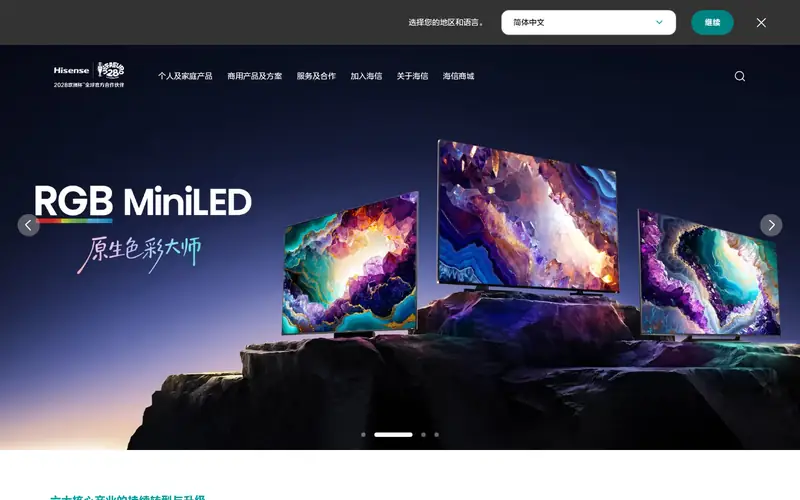
The Hisense L5H is part of Hisense's Laser TV line, which pairs an ultra-short-throw projector with an ambient-light-rejecting screen. Hisense positions these as TV replacements for bright living rooms. The laser light source is rated for long use, and the smart platform handles streaming apps.
The L5H is a practical pick if you want one purchase that includes the screen. Bundles and screen sizes change by region, so check the current Hisense page for the exact configuration and price. The catch is that the projector and screen are designed as a set, which makes it less flexible if you already own a screen. Confirm the throw distance and screen size on the datasheet before ordering.
Where the price comes from
See vendor site. Hardware prices move often, so check the Hisense L5H Laser TV maker page or a retailer before you buy.
Benefits
- Ultra-short-throw laser TV design
- often sold with a screen
- bright output for living rooms
- smart TV platform
Drawbacks
- Bundled screen adds bulk
- pricing varies by bundle
Use case to skip: this limit matters to you: bundled screen adds bulk.
Our take. A sensible pick for bright rooms on a budget.
If it does not fit, compare Epson EpiqVision Ultra LS650 or BenQ HT2150ST in this list.
- Best for
- Compact short-throw setups
- Standout
- Short-throw lens for small rooms
- Starting price
- Check current retail price
- Free plan or trial
- One-time hardware purchase
The BenQ HT2150ST is a short-throw home theater projector with a 1080p resolution. BenQ designed it for rooms where a standard projector would need too much distance. It includes a built-in speaker and a low input lag mode for gaming. The lamp light source means you should check the lamp life and replacement cost on the spec sheet.
This is a good fit for a bedroom, a small living room or a portable setup where you want a big image without a long throw. It is not a 4K projector, so if resolution matters most, look at the ultra-short-throw 4K models on this list. The main catch is that short-throw is not the same as ultra-short-throw: you still need some distance from the wall.
Where the price comes from
Check current retail price. Hardware prices move often, so check the BenQ HT2150ST maker page or a retailer before you buy.
Benefits
- Short-throw lens for small rooms
- 1080p resolution
- built-in speaker
- low input lag mode for games
Drawbacks
- Lamp light source
- not 4K
Use case to skip: this limit matters to you: lamp light source.
Our take. A sensible pick for compact short-throw setups.
If it does not fit, compare Epson EpiqVision Ultra LS650 or Hisense L5H Laser TV in this list.
- Best for
- Premium 4K ultra-short-throw
- Standout
- 4K resolution
- Starting price
- Check current retail price
- Free plan or trial
- One-time hardware purchase
The LG CineBeam HU915QE is a 4K ultra-short-throw laser projector in LG's CineBeam line. LG lists it with a 4K resolution and a laser light source, plus the company's smart TV platform for streaming apps. The ultra-short-throw lens lets it sit close to the wall.
It suits a dedicated home theater where you want 4K detail and a clean install. The cabinet is fairly large, so plan shelf or cabinet space. The main catch is price: this is a premium model, and you will also want a suitable screen. Check LG's current page for the exact brightness figure and throw distance, since those numbers decide screen size in a small room.
Where the price comes from
Check current retail price. Hardware prices move often, so check the LG CineBeam HU915QE maker page or a retailer before you buy.
Benefits
- 4K resolution
- ultra-short-throw lens
- laser light source
- smart TV platform
Drawbacks
- High price
- large cabinet
Use case to skip: this limit matters to you: high price.
Our take. A sensible pick for premium 4K ultra-short-throw.
If it does not fit, compare Epson EpiqVision Ultra LS650 or Hisense L5H Laser TV in this list.
- Best for
- Business and classroom short-throw
- Standout
- Short-throw lens
- Starting price
- Check current retail price
- Free plan or trial
- One-time hardware purchase
The Epson PowerLite 770F is a short-throw projector from Epson's business line. Epson positions it for meeting rooms and classrooms where the projector sits close to the screen. It offers full HD resolution and network management features for IT setups.
This is the pick if you need a short-throw projector for presentations, teaching or a hybrid meeting room rather than movie nights. It is not tuned as a home theater projector, so contrast and color presets differ from the EpiqVision line. The main catch is that home users may find the business focus and feature set unnecessary. Check Epson's datasheet for brightness, throw ratio and connectivity.
Where the price comes from
Check current retail price. Hardware prices move often, so check the Epson PowerLite 770F maker page or a retailer before you buy.
Benefits
- Short-throw lens
- full HD resolution
- designed for meeting rooms and classrooms
- network management features
Drawbacks
- Aimed at business use
- not a home theater design
Use case to skip: this limit matters to you: aimed at business use.
Our take. A sensible pick for business and classroom short-throw.
If it does not fit, compare Epson EpiqVision Ultra LS650 or Hisense L5H Laser TV in this list.

- Best for
- 4K ultra-short-throw with soundbar
- Standout
- 4K ultra-short-throw design
- Starting price
- Check current retail price
- Free plan or trial
- One-time hardware purchase
The Optoma CinemaX P2 is a 4K ultra-short-throw laser projector with an integrated soundbar. Optoma designed it to sit on a cabinet below the screen, close to the wall. The built-in audio means you can skip a separate soundbar for a simple setup.
It suits a living room where you want a big 4K image and decent built-in sound without running cables to external speakers. The chassis is wide, so measure your cabinet first. The main catch is placement: ultra-short-throw projectors need to be level and at the right distance, and small shifts move the image. Confirm the throw distance and screen size on Optoma's datasheet.
Where the price comes from
Check current retail price. Hardware prices move often, so check the Optoma CinemaX P2 maker page or a retailer before you buy.
Benefits
- 4K ultra-short-throw design
- integrated soundbar
- laser light source
- smart features
Drawbacks
- Large chassis
- needs careful placement
Use case to skip: this limit matters to you: large chassis.
Our take. A sensible pick for 4K ultra-short-throw with soundbar.
If it does not fit, compare Epson EpiqVision Ultra LS650 or Hisense L5H Laser TV in this list.
What specs matter most when buying a short-throw projector?
Throw ratio is the first spec to check, because it decides how far the projector must sit from the screen for a given image size. A lower throw ratio means a shorter distance. Ultra-short-throw models have very low ratios and sit close to the wall, while short-throw models need more room. Match the ratio to your room depth before anything else.
Brightness matters next. Vendor specs list brightness in lumens, and higher numbers help in rooms with ambient light. For a dark home theater, a moderate figure can be enough; for a bright living room, you want more. Check whether the vendor lists the brightness for the mode you will actually use, since some figures come from a bright preset.
Resolution and light source come after that. Native 4K panels cost more than 1080p or 4K enhancement processing, so read the wording carefully. Laser light sources generally last longer than lamps, but replacement modules cost more. Finally, check the screen: ultra-short-throw projectors work best with an ambient-light-rejecting screen, and that adds to the total.
Which short-throw projector should I buy if my room is small and bright?
For a small, bright room, pick an ultra-short-throw laser model with a bundled or recommended ambient-light-rejecting screen. The Hisense L5H is the budget-friendly option here, and the Epson EpiqVision Ultra LS650 is the stronger all-round pick if you can spend more. Both sit close to the wall and are built for living rooms.
If the room is small but you watch mostly in the dark, the BenQ HT2150ST is a cheaper short-throw option, though it is 1080p and uses a lamp. Measure your wall and cabinet first, then confirm the throw distance on the vendor datasheet.
Questions worth answering first
Buying checklist
- Measure the distance from your wall or screen to where the projector will sit, then compare it with the vendor throw ratio.
- Confirm the screen size you can achieve in your room using the vendor throw distance table.
- Check whether the projector needs an ambient-light-rejecting screen and add that cost.
- Read the resolution wording: native 4K, 4K enhancement and 1080p are different.
- Check the light source type and the replacement cost if a lamp or laser module fails.
- Confirm the warranty terms and whether the vendor requires an authorized installer.
FAQ
Do I need a special screen for an ultra-short-throw projector?
Yes, most ultra-short-throw projectors work best with an ambient-light-rejecting screen designed for that setup. A standard white screen can wash out in a bright room. Check the vendor's recommended screen type and add it to your budget.
What is the difference between short-throw and ultra-short-throw?
Short-throw projectors need less distance than standard models but still sit across the room. Ultra-short-throw models sit very close to the wall, often on a cabinet below the screen. The throw ratio on the datasheet tells you which type you have.
Can a short-throw projector replace my TV?
It can, especially an ultra-short-throw laser TV bundle with a screen. You get a large image and a TV-like setup. The trade-offs are screen cost, placement care and brightness limits in very bright rooms.
Is 1080p enough for a short-throw projector?
For a dark room and a moderate screen size, 1080p can look good. For a large screen or a bright room, 4K models generally hold up better. Check the native resolution wording on the spec sheet.
How many lumens do I need for a bright living room?
More lumens help in a bright room, but the screen type matters just as much. An ambient-light-rejecting screen can make a moderate projector usable. Check the vendor brightness figure and the mode it applies to.
Do laser projectors last longer than lamp projectors?
Laser light sources are generally rated for longer use than lamps, and they do not need bulb changes. Replacement laser modules cost more if something fails. Check the vendor's rated life and warranty terms.
Sources we checked
Change log: First published 28 Nov 2026.