7 Best USB Flash Drives in 2026
The Samsung USB Type-C Flash Drive (MUF-256DA) is the best all-round pick for most people, because it pairs a USB-C connector with a metal body and capacities up to 256GB. If you need the smallest possible drive for a keyring, the SanDisk Ultra Fit is the compact alternative. If you want a rugged drive with a swivel cap and USB-A, the Kingston DataTraveler Max is the speed-focused choice.
 By Shihab Mia · Published 22 Nov 2026
We run no ads and no affiliate links at launch. The order of a list follows our published method. How lists are ordered: how we score.
Prices are the starting prices vendors list publicly. Plans change, so confirm the current price on the vendor page before you buy.
Key takeaways
- USB-C drives now suit laptops and phones, while USB-A drives still fit older desktops and car stereos.
- Capacities run from 32GB to 1TB; most mainstream drives top out at 256GB or 512GB.
- Speed ratings vary widely, so check the vendor's read and write figures rather than the box design.
- Prices range from roughly $10 for a 64GB drive to over $100 for high-capacity USB 3.2 models.
- No drive is bootable or encrypted unless the vendor says so; check for bundled software.
Side-by-side
Grouped by fit and cost. Tap a product to jump to its full entry.
| Fit | Cost | |||
|---|---|---|---|---|
| Product | Best for | Standout feature | Listed starting price | Free plan or trial |
| 1Samsung USB Type-C Flash Drive | Everyday USB-C transfers | USB-C connector fits modern laptops and phones | Check current retail price (128GB model) | One-time hardware purchase |
| 2SanDisk Ultra Fit | Tiny low-profile storage | Very small body sits flush in a port | Check current retail price (64GB model) | One-time hardware purchase |
| 3Kingston DataTraveler Max | Fast large-file moves | USB 3.2 Gen 2 interface | Check current retail price (256GB model) | One-time hardware purchase |
| 4SanDisk Extreme PRO | Rugged outdoor use | Metal housing with keyring loop | Check current retail price (128GB model) | One-time hardware purchase |
| 5Samsung BAR Plus | Durable USB-A everyday drive | Metal body | Check current retail price (64GB model) | One-time hardware purchase |
| 6Kingston IronKey Vault Privacy 50 | Encrypted business data | Hardware encryption | Check current retail price (32GB model) | One-time hardware purchase |
| 7Lexar JumpDrive M400 | Budget USB-A with keyring | Low price | Check current retail price (64GB model) | One-time hardware purchase |
How we picked
We compared these drives using vendor product pages, published datasheets and official specification listings. We looked at connector type, interface generation, capacity range, vendor-published read and write ratings, body material, warranty terms and listed price. We did not run hands-on speed tests. Where a vendor does not publish a figure, we describe the feature qualitatively rather than guess. The aim is to match each drive to a clear use case, from budget USB-A storage to encrypted business data.
The 7 picks in detail
- Best for
- Everyday USB-C transfers
- Standout
- USB-C connector fits modern laptops and phones
- Starting price
- Check current retail price (128GB model)
- Free plan or trial
- One-time hardware purchase
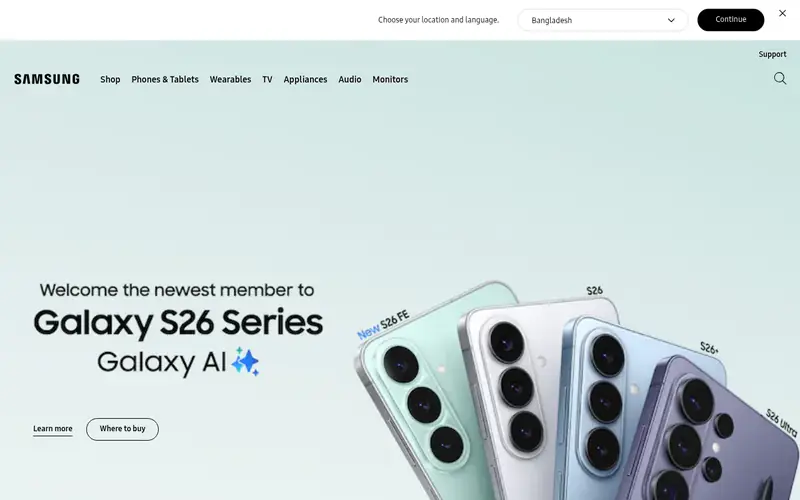
This is Samsung's mainstream USB-C drive, sold in 64GB, 128GB and 256GB versions. The vendor lists USB 3.2 Gen 1 interface and a metal housing. It plugs directly into USB-C ports, so it suits thin laptops and Android phones without an adapter. Samsung publishes sequential read and write figures on its product page; check those against your workload before buying.
The main catch is the single connector. If you also need USB-A, you will need an adapter or a second drive. It is a sensible default for people who mostly move documents, photos and video between USB-C devices.
Where the price comes from
Check current retail price (128GB model). Hardware prices move often, so check the Samsung USB Type-C Flash Drive maker page or a retailer before you buy.
Benefits
- USB-C connector fits modern laptops and phones
- metal body
- capacities up to 256GB
Drawbacks
- No USB-A connector
- write speeds lower than premium drives
Use case to skip: this limit matters to you: no USB-A connector.
Our take. A sensible pick for everyday USB-C transfers.
If it does not fit, compare SanDisk Ultra Fit or Kingston DataTraveler Max in this list.
- Best for
- Tiny low-profile storage
- Standout
- Very small body sits flush in a port
- Starting price
- Check current retail price (64GB model)
- Free plan or trial
- One-time hardware purchase
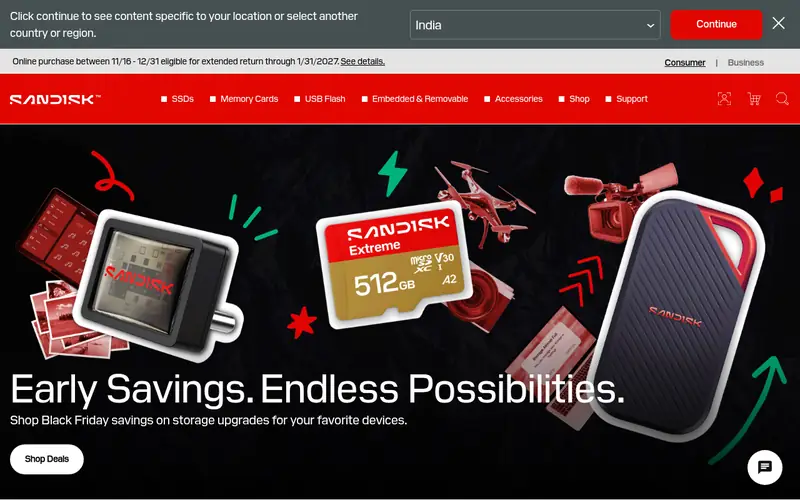
The Ultra Fit is designed to stay plugged into a laptop or car stereo without snagging. SanDisk lists USB 3.2 Gen 1 and capacities from 32GB to 512GB. The low-profile body means it barely protrudes, which helps for permanent storage expansion but makes it easy to misplace.
It is not a speed drive. The vendor's read and write ratings are lower than premium models, so it suits backups, media libraries and portable documents rather than large video projects.
Where the price comes from
Check current retail price (64GB model). Hardware prices move often, so check the SanDisk Ultra Fit maker page or a retailer before you buy.
Benefits
- Very small body sits flush in a port
- USB 3.2 interface
- capacities up to 512GB
Drawbacks
- Small body is easy to lose
- sustained write speeds are modest
Use case to skip: this limit matters to you: small body is easy to lose.
Our take. A sensible pick for tiny low-profile storage.
If it does not fit, compare Samsung USB Type-C Flash Drive or Kingston DataTraveler Max in this list.
- Best for
- Fast large-file moves
- Standout
- USB 3.2 Gen 2 interface
- Starting price
- Check current retail price (256GB model)
- Free plan or trial
- One-time hardware purchase
Kingston positions the DataTraveler Max as a high-performance USB-C drive. The vendor lists USB 3.2 Gen 2 and publishes sequential read and write speeds on its datasheet. Capacities go up to 1TB. It suits moving large video files, disk images and project archives where time matters.
The catch is price and heat. Fast drives cost more per gigabyte, and sustained writes can make the metal body warm. Check the vendor's speed figures for the exact capacity you buy, because ratings can differ between sizes.
Where the price comes from
Check current retail price (256GB model). Hardware prices move often, so check the Kingston DataTraveler Max maker page or a retailer before you buy.
Benefits
- USB 3.2 Gen 2 interface
- high sequential read and write ratings
- sliding cap design
Drawbacks
- Higher price than mainstream drives
- runs warm under sustained load
Use case to skip: this limit matters to you: higher price than mainstream drives.
Our take. A sensible pick for fast large-file moves.
If it does not fit, compare Samsung USB Type-C Flash Drive or SanDisk Ultra Fit in this list.
- Best for
- Rugged outdoor use
- Standout
- Metal housing with keyring loop
- Starting price
- Check current retail price (128GB model)
- Free plan or trial
- One-time hardware purchase
The Extreme PRO is SanDisk's durable USB-A drive, sold in capacities from 128GB upward. The vendor lists USB 3.2 Gen 1 and a metal body with a keyring loop. It is aimed at people who carry a drive in a bag or pocket and want it to survive knocks.
It costs more than a basic drive, and the separate cap is easy to lose. Read the vendor's speed ratings for the capacity you choose, since the largest models often have different figures from the smallest.
Where the price comes from
Check current retail price (128GB model). Hardware prices move often, so check the SanDisk Extreme PRO maker page or a retailer before you buy.
Benefits
- Metal housing with keyring loop
- USB 3.2 interface
- capacities up to 1TB
Drawbacks
- Premium price
- cap can be misplaced
Use case to skip: this limit matters to you: premium price.
Our take. A sensible pick for rugged outdoor use.
If it does not fit, compare Samsung USB Type-C Flash Drive or SanDisk Ultra Fit in this list.
- Best for
- Durable USB-A everyday drive
- Standout
- Metal body
- Starting price
- Check current retail price (64GB model)
- Free plan or trial
- One-time hardware purchase
The BAR Plus is a USB-A drive with a metal barrel and a keyring hole. Samsung lists USB 3.1 and capacities from 32GB to 256GB. It is a straightforward choice for desktops, older laptops and car audio systems that still use USB-A.
The main limitation is the connector. If your next laptop is USB-C only, you will need an adapter. The cap is also separate, so it can be lost.
Where the price comes from
Check current retail price (64GB model). Hardware prices move often, so check the Samsung BAR Plus maker page or a retailer before you buy.
Benefits
- Metal body
- USB 3.1 interface
- keyring hole
Drawbacks
- No USB-C version
- cap is separate
Use case to skip: this limit matters to you: no USB-C version.
Our take. A sensible pick for durable USB-A everyday drive.
If it does not fit, compare Samsung USB Type-C Flash Drive or SanDisk Ultra Fit in this list.
- Best for
- Encrypted business data
- Standout
- Hardware encryption
- Starting price
- Check current retail price (32GB model)
- Free plan or trial
- One-time hardware purchase
The IronKey Vault Privacy 50 is a hardware-encrypted USB drive aimed at business and regulated data. Kingston lists USB 3.2 Gen 1, PIN-based access and hardware encryption on the datasheet. It suits people carrying client files, backups or credentials.
It costs far more per gigabyte than a standard drive, and you must set a PIN and follow the vendor's instructions. It is not a casual media drive; buy it when encryption is the point.
Where the price comes from
Check current retail price (32GB model). Hardware prices move often, so check the Kingston IronKey Vault Privacy 50 maker page or a retailer before you buy.
Benefits
- Hardware encryption
- PIN-protected access
- USB 3.2 interface
Drawbacks
- High price per gigabyte
- setup required
Use case to skip: this limit matters to you: high price per gigabyte.
Our take. A sensible pick for encrypted business data.
If it does not fit, compare Samsung USB Type-C Flash Drive or SanDisk Ultra Fit in this list.
- Best for
- Budget USB-A with keyring
- Standout
- Low price
- Starting price
- Check current retail price (64GB model)
- Free plan or trial
- One-time hardware purchase
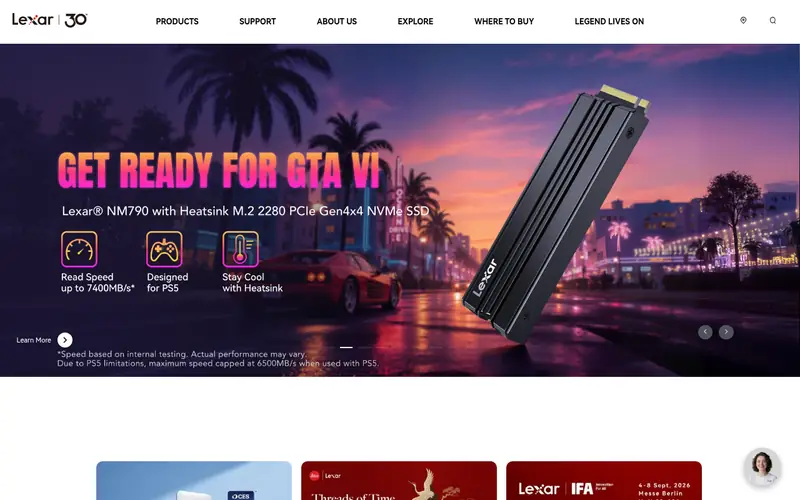
The JumpDrive M400 is a low-cost USB-A drive with a metal body and keyring loop. Lexar lists USB 3.2 Gen 1 and capacities from 32GB to 128GB. It suits students, office workers and anyone who needs a spare drive for documents.
Speed is the trade-off. The vendor's ratings are lower than premium drives, so do not buy it for large video files. It is a good second drive or giveaway.
Where the price comes from
Check current retail price (64GB model). Hardware prices move often, so check the Lexar JumpDrive M400 maker page or a retailer before you buy.
Benefits
- Low price
- metal body with keyring loop
- USB 3.2 interface
Drawbacks
- Modest speed ratings
- limited capacity range
Use case to skip: this limit matters to you: modest speed ratings.
Our take. A sensible pick for budget USB-A with keyring.
If it does not fit, compare Samsung USB Type-C Flash Drive or SanDisk Ultra Fit in this list.
What specs matter when you buy
Start with the connector. USB-C drives fit modern laptops, phones and tablets, while USB-A drives fit older desktops, car stereos and printers. If you move between both, buy a USB-C drive and a small adapter, or keep two drives.
Next, check the interface and the vendor's published read and write speeds. USB 3.2 Gen 1 is common and fine for documents and photos. USB 3.2 Gen 2 drives cost more but move large video files faster. Remember that write speed matters more than read speed when you copy files to the drive.
Capacity is the third decision. 64GB suits documents and photos, 128GB to 256GB suits media libraries and backups, and 512GB or 1TB suits video work. Also check the warranty, the body material and whether the drive includes encryption software. A metal body and a keyring loop help it survive daily carry. Finally, confirm the drive works with your operating system; most list Windows, macOS and Android support, but check the vendor page.
Questions worth answering first
Buying checklist
- Confirm the connector type matches your laptop, phone or car stereo.
- Check the vendor's published read and write speeds for the exact capacity you plan to buy.
- Decide the capacity you need before comparing prices, since cost per gigabyte varies.
- Read the warranty length and what it covers on the vendor page.
- Check whether encryption software is included and whether you need it.
- Confirm operating system support for Windows, macOS or Android on the vendor page.
FAQ
Are USB-C flash drives better than USB-A?
Neither is better in general. USB-C fits modern laptops and phones, while USB-A fits older desktops, car stereos and printers. Choose based on the ports you use most, or buy a USB-C drive with an adapter.
What is a good capacity for a USB flash drive?
64GB suits documents and photos. 128GB to 256GB suits media libraries and backups. 512GB and 1TB suit large video files. Pick based on file size and how often you clear the drive.
Do USB flash drives lose data over time?
Flash memory can lose charge if left unpowered for years. For long-term archives, keep a second copy on another drive or in cloud storage and power the drive occasionally.
Is a fast USB drive worth the extra cost?
It is worth it if you move large video files or disk images regularly. For documents and photos, a mainstream USB 3.2 Gen 1 drive is usually enough, and the price difference is better spent on capacity.
Can I use a USB flash drive with a phone?
Many USB-C drives work with Android phones that support USB storage. Check the vendor page for Android support, and note that iPhone support depends on the model and adapter.
Should I buy an encrypted USB drive?
Buy one if you carry client files, credentials or regulated data. Hardware-encrypted drives cost more per gigabyte, but they protect data if the drive is lost. For personal media, a standard drive is usually enough.
Sources we checked
Change log: First published 22 Nov 2026.