6 Best 5G and LTE Home Routers in 2026
The Netgear Nighthawk M6 is the top pick for most people who want a portable 5G router they can move between rooms or take on a trip, because it combines a 5G modem, Wi-Fi 6 and an Ethernet port in one small unit. For a fixed home setup with more wired devices, the TP-Link Deco X50-5G mesh system suits larger houses. The Zyxel NR5103E is a fixed indoor 5G gateway for buyers who want a dedicated home unit.
 By Shihab Mia · Published 22 Nov 2026
We run no ads and no affiliate links at launch. The order of a list follows our published method. How lists are ordered: how we score.
Prices are the starting prices vendors list publicly. Plans change, so confirm the current price on the vendor page before you buy.
Key takeaways
- Prices below are manufacturer list prices in USD; actual retail prices vary by region and carrier bundle.
- 5G routers need a compatible SIM and a data plan; the router itself does not include service.
- Sub-6 GHz 5G is the common home option; mmWave support is rare on consumer routers and depends on carrier coverage.
- Most models listed include at least one Ethernet LAN port, but port counts differ a lot between portable and desktop units.
- Check the supported 5G and LTE bands against your carrier before buying, since band support is the main compatibility limit.
Side-by-side
Grouped by fit and cost. Tap a product to jump to its full entry.
| Fit | Cost | |||
|---|---|---|---|---|
| Product | Best for | Standout feature | Listed starting price | Free plan or trial |
| 1Netgear Nighthawk M6 | Portable 5G with a wired port | Built-in 5G modem with Wi-Fi 6 | Check current retail price | One-time hardware purchase |
| 2TP-Link Deco X50-5G | Whole-home 5G mesh coverage | Mesh system with a 5G modem built in | See vendor site | One-time hardware purchase |
| 3Netgear Orbi 5G | Mesh coverage with 5G input | Mesh system with a 5G modem option | Check current retail price | One-time hardware purchase |
| 4Zyxel NR5103E | Fixed indoor 5G with carrier-style design | Indoor 5G unit with Wi-Fi 6 | Check current retail price | One-time hardware purchase |
| 5Teltonika RUTX50 | Industrial and remote-site 5G | 5G modem with multiple Ethernet ports | See vendor site | One-time hardware purchase |
| 6Cudy LT500 | Budget LTE-only home coverage | LTE modem with Wi-Fi | Check current retail price | One-time hardware purchase |
How we picked
This comparison is based on research, not lab testing. We read vendor product pages and datasheets for each model, checked which units vendors still list as current, and recorded published specifications such as Wi-Fi standard, Ethernet ports, modem type and band support. Prices come from manufacturer list prices where published, and we mark them as "See vendor site" or "Check current retail price" when the vendor does not publish a fixed figure. We did not benchmark throughput or run hands-on tests.
The 6 picks in detail
- Best for
- Portable 5G with a wired port
- Standout
- Built-in 5G modem with Wi-Fi 6
- Starting price
- Check current retail price
- Free plan or trial
- One-time hardware purchase
The Nighthawk M6 (model MR6150) is a mobile hotspot that works as a small home router. Netgear lists a 5G sub-6 GHz modem, Wi-Fi 6 for connected devices, and a Gigabit Ethernet port for a wired connection. A removable battery lets you use it away from mains power, and the touchscreen shows signal and data status.
It suits renters, travelers and anyone who wants one device for home and on the road. The catch is the price and the fact that performance depends heavily on the 5G bands your carrier uses. Check the band list against your operator before buying.
Where the price comes from
Check current retail price. Hardware prices move often, so check the Netgear Nighthawk M6 maker page or a retailer before you buy.
Benefits
- Built-in 5G modem with Wi-Fi 6
- includes an Ethernet port
- battery-powered for travel
Drawbacks
- High list price
- battery life depends on signal and load
Use case to skip: this limit matters to you: high list price.
Our take. A sensible pick for portable 5G with a wired port.
If it does not fit, compare TP-Link Deco X50-5G or Netgear Orbi 5G in this list.
- Best for
- Whole-home 5G mesh coverage
- Standout
- Mesh system with a 5G modem built in
- Starting price
- See vendor site
- Free plan or trial
- One-time hardware purchase
The Deco X50-5G is a mesh Wi-Fi system with an integrated 5G modem, so one unit can act as the main router and additional Deco units extend coverage. TP-Link lists Wi-Fi 6 support and Ethernet ports for wired devices and backhaul. Setup and management run through the Deco app.
It suits larger homes where a single router cannot cover the space and where a fixed 5G connection replaces cable or fiber. The main catch is that adding nodes raises the total cost, and regional versions support different 5G bands, so confirm the variant sold in your country.
Where the price comes from
See vendor site. Hardware prices move often, so check the TP-Link Deco X50-5G maker page or a retailer before you buy.
Benefits
- Mesh system with a 5G modem built in
- supports wired Ethernet backhaul
- managed through the Deco app
Drawbacks
- Mesh nodes add cost
- 5G band support varies by regional model
Use case to skip: this limit matters to you: mesh nodes add cost.
Our take. A sensible pick for whole-home 5G mesh coverage.
If it does not fit, compare Netgear Nighthawk M6 or Netgear Orbi 5G in this list.
- Best for
- Mesh coverage with 5G input
- Standout
- Mesh system with a 5G modem option
- Starting price
- Check current retail price
- Free plan or trial
- One-time hardware purchase
The Orbi 5G line combines Netgear's mesh Wi-Fi with a 5G modem, so the main unit takes a SIM and satellite units extend coverage. Netgear lists Wi-Fi 6 support and Ethernet ports on the units. Management runs through the Orbi app.
It suits large homes and multi-floor layouts where a single 5G router leaves dead spots. The catch is cost and availability: the 5G Orbi models are sold in selected markets and through carriers, so confirm the exact model and band support before ordering.
Where the price comes from
Check current retail price. Hardware prices move often, so check the Netgear Orbi 5G maker page or a retailer before you buy.
Benefits
- Mesh system with a 5G modem option
- strong coverage for large homes
- Ethernet ports on nodes
Drawbacks
- Premium price
- limited regional availability
Use case to skip: this limit matters to you: premium price.
Our take. A sensible pick for mesh coverage with 5G input.
If it does not fit, compare Netgear Nighthawk M6 or TP-Link Deco X50-5G in this list.
- Best for
- Fixed indoor 5G with carrier-style design
- Standout
- Indoor 5G unit with Wi-Fi 6
- Starting price
- Check current retail price
- Free plan or trial
- One-time hardware purchase
The Zyxel NR5103E is an indoor 5G router built for fixed home use. Zyxel lists a 5G modem, Wi-Fi 6 and Ethernet ports for wired devices. It is designed to sit in one place and provide a stable connection rather than travel with you.
It suits homes that want a fixed 5G broadband replacement and do not need portability. The catch is distribution: this class of unit is frequently supplied by carriers, so retail availability and firmware can differ from country to country. Check that the unit is unlocked if you plan to use your own SIM.
Where the price comes from
Check current retail price. Hardware prices move often, so check the Zyxel NR5103E maker page or a retailer before you buy.
Benefits
- Indoor 5G unit with Wi-Fi 6
- Ethernet ports for wired devices
- designed for fixed placement
Drawbacks
- Often sold through carriers
- retail availability varies
Use case to skip: this limit matters to you: often sold through carriers.
Our take. A sensible pick for fixed indoor 5G with carrier-style design.
If it does not fit, compare Netgear Nighthawk M6 or TP-Link Deco X50-5G in this list.
- Best for
- Industrial and remote-site 5G
- Standout
- 5G modem with multiple Ethernet ports
- Starting price
- See vendor site
- Free plan or trial
- One-time hardware purchase
The Teltonika RUTX50 is an industrial 5G router. Teltonika lists a 5G modem, several Ethernet ports, and support for features like VPN and remote management. It is built for cabinets, vehicles and remote sites rather than living rooms.
It suits small businesses, remote installations and technical users who need reliability and configuration depth. The catch is complexity: the feature set assumes networking knowledge, and the price is quoted through the vendor rather than a fixed consumer list price. Home users will find it overkill.
Where the price comes from
See vendor site. Hardware prices move often, so check the Teltonika RUTX50 maker page or a retailer before you buy.
Benefits
- 5G modem with multiple Ethernet ports
- rugged industrial design
- extensive configuration options
Drawbacks
- Not aimed at home users
- setup requires networking knowledge
Use case to skip: this limit matters to you: not aimed at home users.
Our take. A sensible pick for industrial and remote-site 5G.
If it does not fit, compare Netgear Nighthawk M6 or TP-Link Deco X50-5G in this list.
- Best for
- Budget LTE-only home coverage
- Standout
- LTE modem with Wi-Fi
- Starting price
- Check current retail price
- Free plan or trial
- One-time hardware purchase
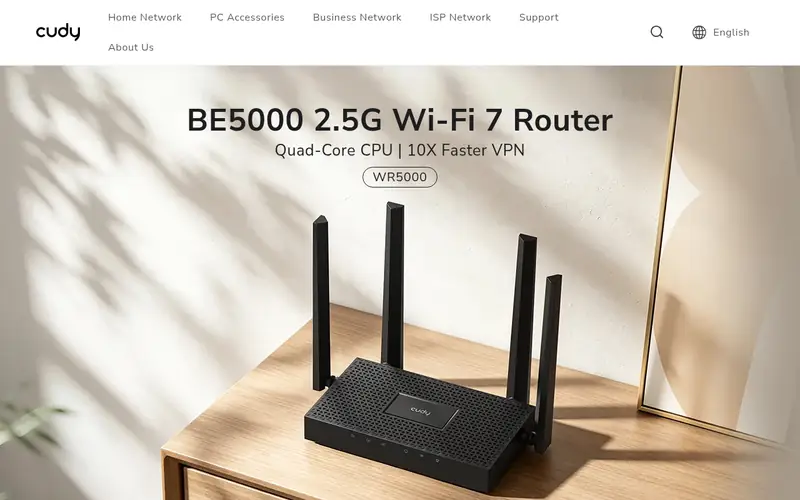
The Cudy LT500 is an LTE router, not a 5G one. It takes a SIM, provides Wi-Fi for connected devices and includes Ethernet ports. Cudy positions it as an affordable way to get a cellular internet connection where cable or fiber is unavailable.
It suits buyers in areas with good LTE coverage who do not need 5G speeds, or who want a low-cost backup connection. The catch is the obvious one: no 5G, so top speeds are capped by the LTE network. Confirm the supported LTE bands match your carrier.
Where the price comes from
Check current retail price. Hardware prices move often, so check the Cudy LT500 maker page or a retailer before you buy.
Benefits
- LTE modem with Wi-Fi
- Ethernet ports for wired devices
- low cost compared with 5G units
Drawbacks
- No 5G support
- performance limited by LTE speeds
Use case to skip: this limit matters to you: no 5G support.
Our take. A sensible pick for budget LTE-only home coverage.
If it does not fit, compare Netgear Nighthawk M6 or TP-Link Deco X50-5G in this list.
What specs matter when you buy
Start with band support. A 5G router only works well if it supports the 5G and LTE bands your carrier uses in your area. Vendors publish band lists in the datasheet, and carrier certification matters more than raw modem specs. A router with a fast modem but missing bands will fall back to slower LTE.
Next, look at the modem category and Wi-Fi standard. Wi-Fi 6 is now common on mid-range and premium 5G routers, while older units use Wi-Fi 5. For wired devices, count the Ethernet ports and check their speed rating. Portable hotspots often have one port; desktop routers usually have several.
Then consider the form factor. Battery-powered hotspots suit travel and renters, while fixed indoor units and mesh systems suit permanent home setups. Mesh systems cost more once you add nodes but cover larger homes. Industrial routers add features like VPN and remote management that home users rarely need.
Finally, check whether the unit is carrier-locked, what warranty the vendor lists, and whether firmware updates are published. An unlocked unit gives you the freedom to change plans.
Questions worth answering first
Buying checklist
- Confirm the router supports the 5G and LTE bands your carrier uses in your area.
- Check whether the unit is unlocked or tied to a specific carrier.
- Count the Ethernet ports you need and confirm their speed rating.
- Decide whether you need battery power and portability or a fixed indoor unit.
- Verify the Wi-Fi standard and whether you need mesh nodes for coverage.
- Read the vendor warranty terms and confirm firmware updates are published.
FAQ
Do I need a separate data plan for a 5G router?
Yes. The router is only the hardware. You need a SIM and a data plan from a carrier, either a dedicated home broadband plan or a mobile data plan that allows router use. Check the carrier's terms, because some mobile plans restrict hotspot or router usage.
Is 5G faster than LTE at home?
It can be, but it depends on coverage and network load. Sub-6 GHz 5G often delivers higher speeds than LTE in good coverage, but results vary by location. If 5G coverage is weak, an LTE router may perform just as well for everyday use.
Can a 5G router replace cable or fiber broadband?
In many areas it can serve as the main connection, especially where wired broadband is slow or unavailable. The trade-offs are data caps, latency and how consistent your local 5G signal is. Check plan limits before relying on it as your only connection.
What is the difference between sub-6 GHz and mmWave 5G?
Sub-6 GHz uses lower frequencies with wider coverage and better building penetration. mmWave uses higher frequencies for very high speeds over short distances. Most consumer home routers support sub-6 GHz; mmWave support is less common and depends on carrier deployment.
Do 5G routers work with any SIM?
Only if the router is unlocked and supports the carrier's bands. Carrier-supplied units may be locked. Before buying, confirm the unit is unlocked and check the published band list against your carrier's network.
Should I buy a mesh system or a single router?
Choose mesh if your home is large or has thick walls that block a single router's signal. A single router is simpler and cheaper for smaller homes. Mesh systems cost more once you add nodes but reduce dead spots.
Sources we checked
Change log: First published 22 Nov 2026.