7 Best Handheld Gaming PCs in 2026
The Steam Deck OLED is the best handheld gaming PC for most people, thanks to its polished SteamOS software, strong battery life, and low starting price. If you want Windows and more raw power, the ASUS ROG Ally X is the pick. If you prefer a bigger screen and a detachable controller layout, look at the Lenovo Legion Go.
 By Shihab Mia · Published 21 Nov 2026
We run no ads and no affiliate links at launch. The order of a list follows our published method. How lists are ordered: how we score.
Prices are the starting prices vendors list publicly. Plans change, so confirm the current price on the vendor page before you buy.
Key takeaways
- The Steam Deck OLED starts at $549 for the 512GB model, per Valve's published pricing.
- Windows handhelds like the ROG Ally X and Legion Go run full desktop Windows, so they play more storefronts but need more tuning.
- Battery life varies widely: the Steam Deck OLED is rated for a longer runtime than most Windows rivals.
- All seven models here use AMD Ryzen or Intel Core mobile processors with integrated graphics.
- Check the screen type, RAM, and storage tier before buying, since many models sell in several configurations.
Side-by-side
Grouped by fit and cost. Tap a product to jump to its full entry.
| Fit | Cost | |||
|---|---|---|---|---|
| Product | Best for | Standout feature | Listed starting price | Free plan or trial |
| 1Steam Deck OLED | A console-like handheld with the best software polish | Polished SteamOS interface | $549 (512GB model, per Valve) | One-time hardware purchase |
| 2ASUS ROG Ally X | Windows gaming with more battery and RAM | Runs full Windows 11 | $799.99 (per ASUS list price) | One-time hardware purchase |
| 3Lenovo Legion Go | A big screen and detachable controllers | Large 8.8-inch display | Check current retail price | One-time hardware purchase |
| 4MSI Claw 8 AI+ | Intel-based Windows gaming on a large screen | Intel Core Ultra processor | Check current retail price | One-time hardware purchase |
| 5Ayaneo 2S | A premium Windows handheld with a metal build | Premium build | Check current retail price | One-time hardware purchase |
| 6GPD Win 4 | A pocketable Windows PC with a physical keyboard | Compact design | Check current retail price | One-time hardware purchase |
| 7OneXPlayer 2 Pro | A large screen with detachable gamepad controls | Large display | Check current retail price | One-time hardware purchase |
How we picked
We compared these handhelds using vendor product pages, published spec sheets, and official pricing. We looked at processor and graphics tier, display size and type, RAM and storage options, operating system, battery capacity where the vendor lists it, and warranty terms. We did not run hands-on tests. Prices and configurations change, so we mark figures we could not confirm as "Check current retail price" and point readers to the vendor site for the latest details.
The 7 picks in detail
- Best for
- A console-like handheld with the best software polish
- Standout
- Polished SteamOS interface
- Starting price
- $549 (512GB model, per Valve)
- Free plan or trial
- One-time hardware purchase
The Steam Deck OLED is Valve's second-generation handheld. It uses an AMD APU with RDNA-based graphics and ships in 512GB and 1TB versions. The OLED panel is brighter and higher contrast than the original LCD model, and Valve lists improved battery life over the first Deck. It runs SteamOS, a Linux-based system built around the Steam store, with a desktop mode for other tasks.
It suits buyers who want a pick-up-and-play experience without Windows setup. The main catch is compatibility: some multiplayer titles with anti-cheat software do not run on SteamOS, so check the game you care about first.
Where the price comes from
$549 (512GB model, per Valve). Hardware prices move often, so check the Steam Deck OLED maker page or a retailer before you buy.
Benefits
- Polished SteamOS interface
- strong battery life
- low entry price
Drawbacks
- Limited to Steam and compatible stores by default
- less powerful than Windows rivals
Use case to skip: this limit matters to you: limited to Steam and compatible stores by default.
Our take. A sensible pick for A console-like handheld with the best software polish.
If it does not fit, compare ASUS ROG Ally X or Lenovo Legion Go in this list.
- Best for
- Windows gaming with more battery and RAM
- Standout
- Runs full Windows 11
- Starting price
- $799.99 (per ASUS list price)
- Free plan or trial
- One-time hardware purchase
The ROG Ally X is ASUS's refreshed Windows handheld. It uses an AMD Ryzen Z1 Extreme processor, 24GB of LPDDR5 RAM, and a 1TB SSD, according to ASUS. The battery is larger than the original Ally's, and ASUS redesigned the grips and controls. It has a 7-inch 1080p display with a 120Hz refresh rate.
It suits players who want access to Steam, Xbox Game Pass, Epic, and other Windows storefronts on one device. The catch is that Windows handheld gaming still involves more setup, driver updates, and per-game tuning than SteamOS.
Where the price comes from
$799.99 (per ASUS list price). Hardware prices move often, so check the ASUS ROG Ally X maker page or a retailer before you buy.
Benefits
- Runs full Windows 11
- larger battery than the original Ally
- 24GB of RAM
Drawbacks
- Higher price
- Windows needs more tuning than SteamOS
Use case to skip: this limit matters to you: higher price.
Our take. A sensible pick for windows gaming with more battery and RAM.
If it does not fit, compare Steam Deck OLED or Lenovo Legion Go in this list.

- Best for
- A big screen and detachable controllers
- Standout
- Large 8.8-inch display
- Starting price
- Check current retail price
- Free plan or trial
- One-time hardware purchase
The Legion Go is Lenovo's Windows handheld with an 8.8-inch QHD+ screen and detachable controllers that can be used like a gamepad or a mouse. It runs on an AMD Ryzen Z1 Extreme and ships with Windows 11. Lenovo lists multiple storage configurations.
It suits buyers who want the biggest screen in this class and like the flexibility of detachable controls. The trade-off is size and weight: it is one of the largest handhelds here, and battery life is shorter than the Steam Deck OLED's.
Where the price comes from
Check current retail price. Hardware prices move often, so check the Lenovo Legion Go maker page or a retailer before you buy.
Benefits
- Large 8.8-inch display
- detachable controllers
- Windows 11
Drawbacks
- Bulky and heavy
- shorter battery life than some rivals
Use case to skip: this limit matters to you: bulky and heavy.
Our take. A sensible pick for A big screen and detachable controllers.
If it does not fit, compare Steam Deck OLED or ASUS ROG Ally X in this list.
- Best for
- Intel-based Windows gaming on a large screen
- Standout
- Intel Core Ultra processor
- Starting price
- Check current retail price
- Free plan or trial
- One-time hardware purchase
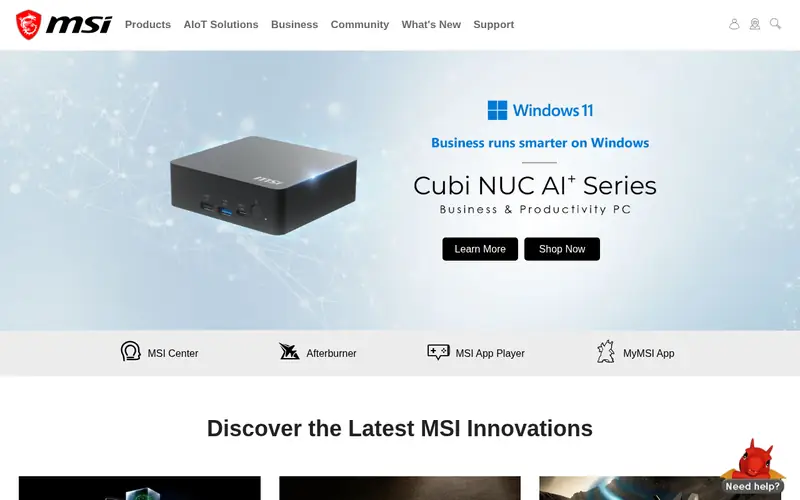
The MSI Claw 8 AI+ is MSI's second-generation Claw handheld. It uses an Intel Core Ultra processor with Intel Arc integrated graphics and an 8-inch display, per MSI. It runs Windows 11 and includes MSI Center software for performance profiles.
It suits buyers who want an Intel platform and a larger screen. The catch is that Intel's handheld graphics drivers and game compatibility have a shorter track record than AMD's in this category, so check reports for the games you play.
Where the price comes from
Check current retail price. Hardware prices move often, so check the MSI Claw 8 AI+ maker page or a retailer before you buy.
Benefits
- Intel Core Ultra processor
- 8-inch display
- Windows 11
Drawbacks
- Pricier than entry models
- Intel handheld software is still maturing
Use case to skip: this limit matters to you: pricier than entry models.
Our take. A sensible pick for intel-based Windows gaming on a large screen.
If it does not fit, compare Steam Deck OLED or ASUS ROG Ally X in this list.
- Best for
- A premium Windows handheld with a metal build
- Standout
- Premium build
- Starting price
- Check current retail price
- Free plan or trial
- One-time hardware purchase
The Ayaneo 2S is a Windows handheld from Ayaneo, a company that focuses on portable PCs. It uses an AMD Ryzen 7000-series processor and ships with Windows 11, per Ayaneo. It has a 7-inch display and a metal chassis.
It suits buyers who want a premium-feeling device and are comfortable with a smaller brand. The catch is price and support: Ayaneo models typically cost more than the Steam Deck or ROG Ally X, and warranty service may be less convenient depending on your region.
Where the price comes from
Check current retail price. Hardware prices move often, so check the Ayaneo 2S maker page or a retailer before you buy.
Benefits
- Premium build
- Windows 11
- multiple configuration options
Drawbacks
- Higher price than mainstream models
- smaller support network
Use case to skip: this limit matters to you: higher price than mainstream models.
Our take. A sensible pick for A premium Windows handheld with a metal build.
If it does not fit, compare Steam Deck OLED or ASUS ROG Ally X in this list.
- Best for
- A pocketable Windows PC with a physical keyboard
- Standout
- Compact design
- Starting price
- Check current retail price
- Free plan or trial
- One-time hardware purchase
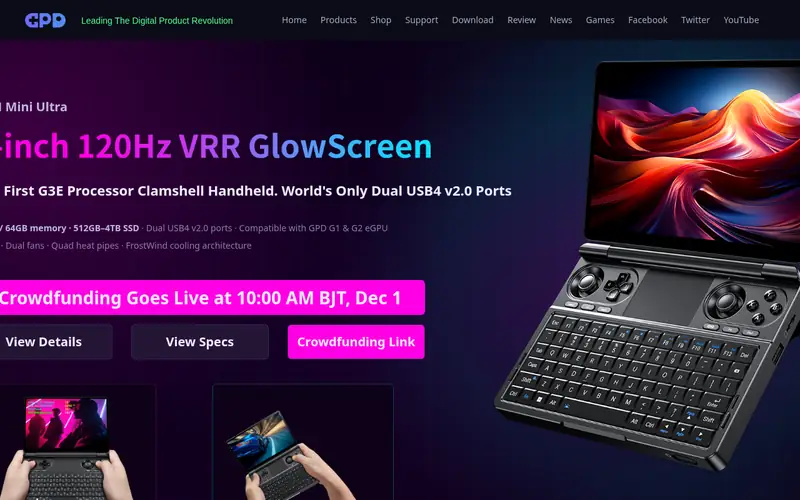
The GPD Win 4 is a compact Windows handheld with a slide-up screen that reveals a physical keyboard. It uses an AMD Ryzen processor and runs Windows 11, according to GPD. The small body makes it one of the most portable options here.
It suits buyers who want a true pocket PC for gaming and light desktop work. The catch is the small display and the brand's limited retail and support footprint compared with ASUS or Lenovo.
Where the price comes from
Check current retail price. Hardware prices move often, so check the GPD Win 4 maker page or a retailer before you buy.
Benefits
- Compact design
- slide-out keyboard
- Windows 11
Drawbacks
- Small screen
- niche brand with limited retail presence
Use case to skip: this limit matters to you: small screen.
Our take. A sensible pick for A pocketable Windows PC with a physical keyboard.
If it does not fit, compare Steam Deck OLED or ASUS ROG Ally X in this list.
- Best for
- A large screen with detachable gamepad controls
- Standout
- Large display
- Starting price
- Check current retail price
- Free plan or trial
- One-time hardware purchase
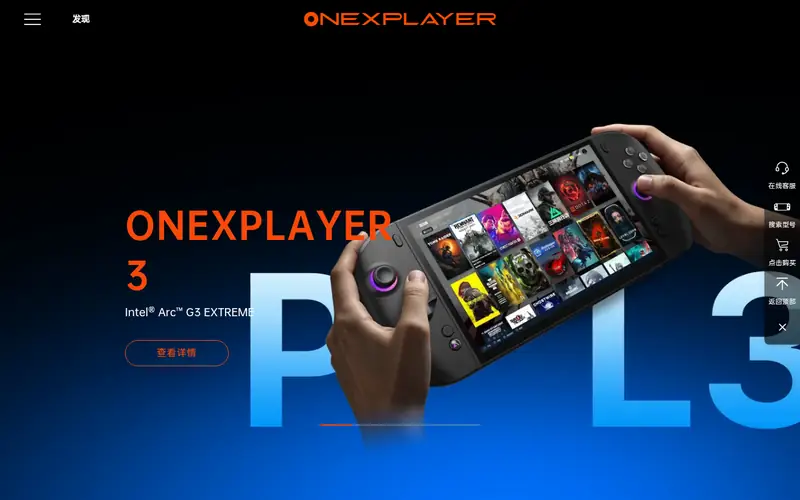
The OneXPlayer 2 Pro is a Windows handheld with a large screen and detachable controllers, similar in concept to the Legion Go. It uses an AMD Ryzen processor and ships with Windows 11, per OneXPlayer.
It suits buyers who want a tablet-like handheld for gaming and media. The catch is price and weight: it costs more than mainstream models and is heavy to hold for long sessions.
Where the price comes from
Check current retail price. Hardware prices move often, so check the OneXPlayer 2 Pro maker page or a retailer before you buy.
Benefits
- Large display
- detachable controllers
- Windows 11
Drawbacks
- High price
- heavy for long handheld sessions
Use case to skip: this limit matters to you: high price.
Our take. A sensible pick for A large screen with detachable gamepad controls.
If it does not fit, compare Steam Deck OLED or ASUS ROG Ally X in this list.
What specs matter when you buy
The processor and integrated graphics decide what games run well. Most handhelds here use AMD Ryzen Z1-series or 7000-series chips, or Intel Core Ultra. Higher-tier chips run demanding games at better frame rates, but they also draw more power and shorten battery life. Match the chip to the games you play rather than chasing the top spec.
The display matters more than on a desktop because you hold it close. Check size (7 to 8.8 inches here), resolution, and refresh rate. A 1080p 120Hz panel is common on Windows models; the Steam Deck OLED uses a 1280x800 OLED panel. OLED gives deeper blacks, while LCD panels are often brighter in daylight.
Battery capacity and RAM are the next checks. Windows handhelds generally ship with 16GB or more, and 24GB appears on the ROG Ally X. Storage starts around 512GB and goes to 1TB. Also confirm the operating system: SteamOS is simpler but limited to compatible titles, while Windows 11 runs more storefronts but needs more maintenance. Finally, check weight, controller layout, and warranty terms for your region.
Questions worth answering first
Buying checklist
- Confirm the exact model and storage tier, since many handhelds sell in several configurations.
- Check that the games you play are compatible with SteamOS if you choose a Steam Deck.
- Compare battery capacity and rated runtime for the titles you play most.
- Verify the display size, resolution, and panel type suit your eyes and hands.
- Check the warranty length and service region for the brand you pick.
- Confirm the current price on the vendor site before paying, as listings change often.
FAQ
Is the Steam Deck OLED or a Windows handheld better?
It depends on your library. The Steam Deck OLED is simpler and cheaper, but some anti-cheat games do not run on SteamOS. Windows handhelds like the ROG Ally X run more storefronts but need more setup and usually cost more.
Do these handhelds run Windows 11?
Most do. The ROG Ally X, Legion Go, MSI Claw 8 AI+, Ayaneo 2S, GPD Win 4, and OneXPlayer 2 Pro ship with Windows 11. The Steam Deck OLED runs SteamOS instead, with a desktop mode for other tasks.
How much storage do I need?
512GB is a reasonable starting point for a handful of large games. 1TB models cost more but save you from swapping microSD cards. Check whether the model has a microSD slot and whether the SSD is user-replaceable.
Can I play Game Pass on these devices?
Yes on Windows handhelds, through the Xbox app. The Steam Deck OLED can access Game Pass through cloud streaming in a browser, but it does not run the native Xbox app on SteamOS.
Are these handhelds good for emulation?
Many are, since they run desktop operating systems and emulators. Check the emulator's documentation and the legal rules in your region before setting anything up.
What warranty do these handhelds carry?
Warranty terms vary by brand and region. Check the vendor's warranty page for your country before buying, and keep the receipt, since service often requires proof of purchase.
Sources we checked
Change log: First published 21 Nov 2026.