7 Best Desktop Headphone Amplifiers in 2026
The Schiit Magni Unity is the best starting point for most desktop listeners: a compact, affordable amp with an optional DAC card and plenty of power for common headphones. If you want a balanced output and a cleaner feature set, look at the Topping A70 Pro. If you need a tube-based option for high-impedance headphones, the xDuoo TA-26S is the alternative to consider.
 By Shihab Mia · Published 22 Nov 2026
We run no ads and no affiliate links at launch. The order of a list follows our published method. How lists are ordered: how we score.
Prices are the starting prices vendors list publicly. Plans change, so confirm the current price on the vendor page before you buy.
Key takeaways
- Desktop headphone amps range from roughly $100 for a basic solid-state unit to over $500 for balanced or tube designs.
- Power output at a given headphone impedance matters more than a headline wattage figure.
- Built-in DACs add convenience, but a separate DAC can be a better long-term choice.
- Balanced outputs can help with long cable runs and high-impedance headphones, but they are not automatically better.
- Check the vendor's published output impedance and gain settings before buying.
Side-by-side
Grouped by fit and cost. Tap a product to jump to its full entry.
| Fit | Cost | |||
|---|---|---|---|---|
| Product | Best for | Standout feature | Listed starting price | Free plan or trial |
| 1Schiit Magni Unity | Most desktop listeners | Compact chassis | Check current retail price | One-time hardware purchase |
| 2Topping A70 Pro | Balanced desktop setups | Balanced and single-ended outputs | See vendor site | One-time hardware purchase |
| 3xDuoo TA-26S | Tube-curious high-impedance owners | Tube-based output stage | See vendor site | One-time hardware purchase |
| 4JDS Labs Atom Amp 2 | Clean, simple solid-state power | Straightforward controls | See vendor site | One-time hardware purchase |
| 5iFi ZEN CAN 3 | Portable-to-desktop flexibility | Multiple inputs | See vendor site | One-time hardware purchase |
| 6FiiO K11 | All-in-one desktop DAC/amp | Built-in DAC | See vendor site | One-time hardware purchase |
| 7Schiit Midgard | Balanced output on a budget | Balanced and single-ended headphone outputs | See vendor site | One-time hardware purchase |
How we picked
We compared these amplifiers using manufacturer product pages, published datasheets and current list prices. We checked release timing to keep the list within the 2023-2025 window and confirmed each model is still sold by its maker. We looked at output types, input options, gain controls and published power figures at common headphone impedances. No hands-on lab testing was performed; all specifications are as stated by the vendors.
The 7 picks in detail

- Best for
- Most desktop listeners
- Standout
- Compact chassis
- Starting price
- Check current retail price
- Free plan or trial
- One-time hardware purchase
The Magni Unity is Schiit's current entry-level desktop amp. It uses a solid-state design and offers a single 6.35mm headphone output. Schiit sells it with or without an internal DAC card, so you can start with the amp and add digital inputs later. The vendor lists gain switching and a preamp output for powered speakers.
It suits buyers who want a simple, affordable amp for dynamic headphones in the 32-300 ohm range. The main catch is that there is no balanced output, so very high-impedance or hard-to-drive planar headphones may want more headroom. Check the vendor page for the current power figures at your headphone's impedance.
Where the price comes from
Check current retail price. Hardware prices move often, so check the Schiit Magni Unity maker page or a retailer before you buy.
Benefits
- Compact chassis
- optional DAC card
- low published price
Drawbacks
- Single-ended output only
- DAC card adds cost
Use case to skip: this limit matters to you: single-ended output only.
Our take. A sensible pick for most desktop listeners.
If it does not fit, compare Topping A70 Pro or xDuoo TA-26S in this list.
- Best for
- Balanced desktop setups
- Standout
- Balanced and single-ended outputs
- Starting price
- See vendor site
- Free plan or trial
- One-time hardware purchase
The Topping A70 Pro is a fully balanced desktop headphone amplifier. Topping lists both 4-pin XLR and 6.35mm outputs, plus a relay-controlled volume attenuator and a front display. It is designed as a standalone amp, so you pair it with a separate DAC.
It suits owners of balanced headphones and listeners who want precise volume control. The catch is size and price: it takes more desk space than a Magni and costs considerably more. Confirm the published output power at your headphone impedance on Topping's site before buying.
Where the price comes from
See vendor site. Hardware prices move often, so check the Topping A70 Pro maker page or a retailer before you buy.
Benefits
- Balanced and single-ended outputs
- relay-based volume control
- detailed display
Drawbacks
- Higher price
- larger footprint
Use case to skip: this limit matters to you: higher price.
Our take. A sensible pick for balanced desktop setups.
If it does not fit, compare Schiit Magni Unity or xDuoo TA-26S in this list.

- Best for
- Tube-curious high-impedance owners
- Standout
- Tube-based output stage
- Starting price
- See vendor site
- Free plan or trial
- One-time hardware purchase
The xDuoo TA-26S is a tube headphone amplifier aimed at listeners who want a warmer presentation. xDuoo lists a tube output stage and a single 6.35mm headphone jack. It is a standalone amp, so a separate DAC is required.
It suits owners of high-impedance dynamic headphones, where a tube amp's higher output impedance is less of a concern. The main catch is that tube amps need warm-up time and tubes are consumable parts. Check the vendor's published output impedance and power figures before pairing it with low-impedance headphones.
Where the price comes from
See vendor site. Hardware prices move often, so check the xDuoo TA-26S maker page or a retailer before you buy.
Benefits
- Tube-based output stage
- single-ended headphone output
- compact chassis
Drawbacks
- Tubes need warm-up
- higher output impedance than solid-state amps
Use case to skip: this limit matters to you: tubes need warm-up.
Our take. A sensible pick for tube-curious high-impedance owners.
If it does not fit, compare Schiit Magni Unity or Topping A70 Pro in this list.
- Best for
- Clean, simple solid-state power
- Standout
- Straightforward controls
- Starting price
- See vendor site
- Free plan or trial
- One-time hardware purchase
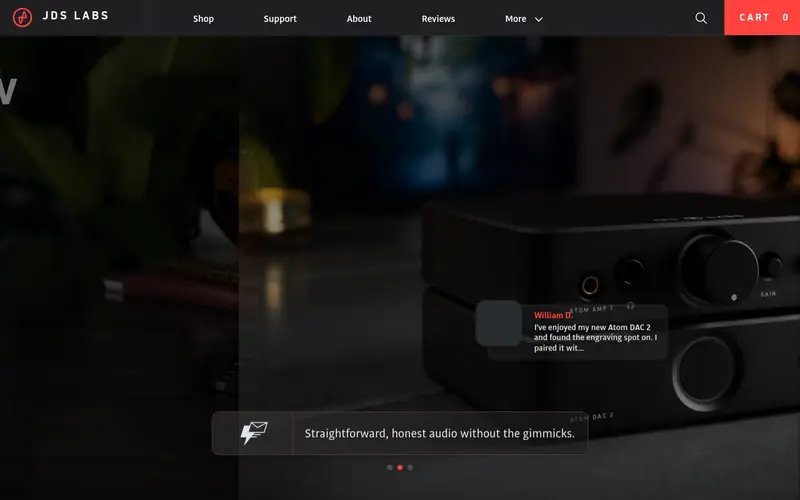
The JDS Labs Atom Amp 2 is a compact solid-state desktop amplifier. JDS Labs lists a 6.35mm headphone output, a preamp output and selectable gain. It is designed to be simple: one volume knob and a gain switch.
It suits buyers who already own a DAC and want a clean, no-frills amp. The catch is that there is no balanced output and no internal DAC option, so it is a pure analog amp. Check JDS Labs' published power figures at your headphone impedance to confirm it has enough headroom.
Where the price comes from
See vendor site. Hardware prices move often, so check the JDS Labs Atom Amp 2 maker page or a retailer before you buy.
Benefits
- Straightforward controls
- solid-state design
- preamp output
Drawbacks
- Single-ended only
- no built-in DAC
Use case to skip: this limit matters to you: single-ended only.
Our take. A sensible pick for clean, simple solid-state power.
If it does not fit, compare Schiit Magni Unity or Topping A70 Pro in this list.

- Best for
- Portable-to-desktop flexibility
- Standout
- Multiple inputs
- Starting price
- See vendor site
- Free plan or trial
- One-time hardware purchase
The iFi ZEN CAN 3 is a desktop headphone amp with both balanced and single-ended headphone outputs. iFi lists several analog inputs and gain settings, plus its own signal-processing features. It is small enough to sit beside a laptop.
It suits listeners who switch between sources and want both output types in one box. The catch is that the feature set is dense, and some processing options change the sound. Check the vendor page for the exact input list and published power figures before buying.
Where the price comes from
See vendor site. Hardware prices move often, so check the iFi ZEN CAN 3 maker page or a retailer before you buy.
Benefits
- Multiple inputs
- balanced and single-ended outputs
- compact footprint
Drawbacks
- Feature set can be confusing
- price varies by region
Use case to skip: this limit matters to you: feature set can be confusing.
Our take. A sensible pick for portable-to-desktop flexibility.
If it does not fit, compare Schiit Magni Unity or Topping A70 Pro in this list.
- Best for
- All-in-one desktop DAC/amp
- Standout
- Built-in DAC
- Starting price
- See vendor site
- Free plan or trial
- One-time hardware purchase
The FiiO K11 is a desktop DAC and headphone amplifier in one unit. FiiO lists USB, coaxial and optical digital inputs, a 6.35mm headphone output and a display. It is aimed at buyers who want one box for a computer and a desk.
It suits listeners with efficient headphones who want a tidy setup without a separate DAC. The catch is that its amp section has less headroom than a dedicated desktop amp, so hard-to-drive planar headphones may want more power. Check FiiO's published output figures at your headphone impedance.
Where the price comes from
See vendor site. Hardware prices move often, so check the FiiO K11 maker page or a retailer before you buy.
Benefits
- Built-in DAC
- multiple digital inputs
- compact chassis
Drawbacks
- Amp section is less powerful than dedicated amps
- single-ended output
Use case to skip: this limit matters to you: amp section is less powerful than dedicated amps.
Our take. A sensible pick for all-in-one desktop DAC/amp.
If it does not fit, compare Schiit Magni Unity or Topping A70 Pro in this list.
- Best for
- Balanced output on a budget
- Standout
- Balanced and single-ended headphone outputs
- Starting price
- See vendor site
- Free plan or trial
- One-time hardware purchase
The Schiit Midgard is a solid-state desktop headphone amplifier with both balanced and single-ended headphone outputs. Schiit lists a 4-pin XLR output, a 6.35mm output and a preamp output. It is a standalone amp, so you supply the DAC.
It suits buyers who want balanced output without paying flagship prices. The catch is that it is bigger than the Magni and has no internal DAC option. Check Schiit's published power figures at your headphone impedance to confirm it suits your headphones.
Where the price comes from
See vendor site. Hardware prices move often, so check the Schiit Midgard maker page or a retailer before you buy.
Benefits
- Balanced and single-ended headphone outputs
- solid-state design
- preamp output
Drawbacks
- Larger than the Magni
- no built-in DAC
Use case to skip: this limit matters to you: larger than the Magni.
Our take. A sensible pick for balanced output on a budget.
If it does not fit, compare Schiit Magni Unity or Topping A70 Pro in this list.
What specs matter when you buy
Power output is the first spec to check, but the number only means something at a stated headphone impedance. An amp that lists high power at 32 ohms may deliver much less at 300 ohms. Match the vendor's published figures to your headphones' impedance and sensitivity.
Output impedance matters too. A high output impedance can change the frequency response of low-impedance dynamic headphones. Solid-state amps usually list a low figure; tube amps often list a higher one. If you own low-impedance headphones, check this number before buying a tube design.
Inputs and outputs decide how the amp fits your desk. A built-in DAC saves space and cables, but a separate DAC gives you more upgrade paths. Balanced outputs help with long cable runs and can add headroom, but they are not automatically better sounding. Gain switching is useful if you use both sensitive IEMs and hard-to-drive headphones.
Finally, consider the physical details: chassis size, volume control type, and whether the amp has a preamp output for powered speakers. A relay-based volume control can avoid channel imbalance at low levels. Read the vendor datasheet rather than relying on headline marketing figures.
Questions worth answering first
Buying checklist
- Confirm the amp's published power output at your headphones' impedance, not just the headline figure.
- Check the output impedance, especially if you own low-impedance dynamic headphones.
- Decide whether you need a built-in DAC or already own a separate one.
- Confirm the input types match your sources, such as USB, optical or analog.
- Measure your desk space against the amp's published chassis dimensions.
- Verify the current price and warranty terms on the vendor's own site.
FAQ
Do I need a dedicated headphone amp?
Only if your headphones are hard to drive or your current source sounds strained. Efficient headphones often run fine from a laptop or phone output. Hard-to-drive planar and high-impedance dynamic headphones usually benefit from more power.
Is a balanced output better than single-ended?
Not automatically. Balanced connections can help with long cable runs and may add headroom, but a well-designed single-ended amp can sound just as good. Choose based on your headphones and desk setup, not the label alone.
Can a tube amp drive low-impedance headphones?
It can, but check the published output impedance first. A high output impedance can shift the frequency response of low-impedance dynamic headphones. Tube amps often suit high-impedance headphones better.
Do I need a separate DAC?
A separate DAC gives you more upgrade paths and can isolate digital noise. A built-in DAC saves space and cables. If you already own a good DAC, buy an amp-only model.
How much power do my headphones need?
It depends on impedance and sensitivity, which the headphone maker publishes. Match those figures to the amp's published output at the same impedance. There is no single wattage that suits every headphone.
Where should I buy a desktop headphone amp?
Buy from the manufacturer's own site or an authorized dealer so the warranty applies. Check the vendor page for the current price, return policy and warranty terms before paying.
Sources we checked
Change log: First published 22 Nov 2026.