7 Best Laptops for College Students in 2026
The Apple MacBook Air 13-inch (M4) is the top pick for most students: light, quiet, and long-running on a charge, with a strong screen and good resale value. If you need Windows and a lower price, look at the Lenovo IdeaPad Slim 5. If you want a touchscreen convertible for notes and sketching, the HP Envy x360 14 is the alternative.
 By Shihab Mia · Published 22 Nov 2026
We run no ads and no affiliate links at launch. The order of a list follows our published method. How lists are ordered: how we score.
Prices are the starting prices vendors list publicly. Plans change, so confirm the current price on the vendor page before you buy.
Key takeaways
- The MacBook Air 13-inch (M4) starts at $999 from Apple and weighs about 2.7 pounds.
- Windows options start lower: the Lenovo IdeaPad Slim 5 is often listed under $700 at retail.
- Battery life claims come from vendor spec sheets, not from lab testing by us.
- Check the RAM and storage you can upgrade before buying; many thin laptops solder RAM.
- Student discounts exist at some vendors, but verify eligibility on the official site.
Side-by-side
Grouped by fit and cost. Tap a product to jump to its full entry.
| Fit | Cost | |||
|---|---|---|---|---|
| Product | Best for | Standout feature | Listed starting price | Free plan or trial |
| 1Apple MacBook Air 13-inch (M4) | Most students who want long battery and low weight | Very light at about 2.7 pounds | Check current retail price | One-time hardware purchase |
| 2Lenovo IdeaPad Slim 5 | Budget Windows coursework | Lower price than premium ultraportables | Check current retail price | One-time hardware purchase |
| 3HP Envy x360 14 | Note-taking and sketching with a touchscreen | 360-degree hinge for tablet mode | Check current retail price | One-time hardware purchase |
| 4Dell XPS 13 | A premium Windows ultraportable | Compact body | Check current retail price | One-time hardware purchase |
| 5ASUS Zenbook 14 OLED | A high-quality screen at a mid-range price | OLED display on many models | Check current retail price | One-time hardware purchase |
| 6Acer Aspire 5 | The lowest-cost everyday laptop | Low price | Check current retail price | One-time hardware purchase |
| 7Microsoft Surface Laptop 7 | Windows with a touchscreen and long battery | Touchscreen | Check current retail price | One-time hardware purchase |
How we picked
We compared these laptops using vendor product pages, published spec sheets, and official list prices. We looked at weight, display size and type, processor family, memory and storage options, port selection, and battery figures as stated by each manufacturer. We did not run hands-on tests. Prices change often, so we point you to current retail listings rather than quoting fixed figures we cannot verify.
The 7 picks in detail
- Best for
- Most students who want long battery and low weight
- Standout
- Very light at about 2.7 pounds
- Starting price
- Check current retail price
- Free plan or trial
- One-time hardware purchase
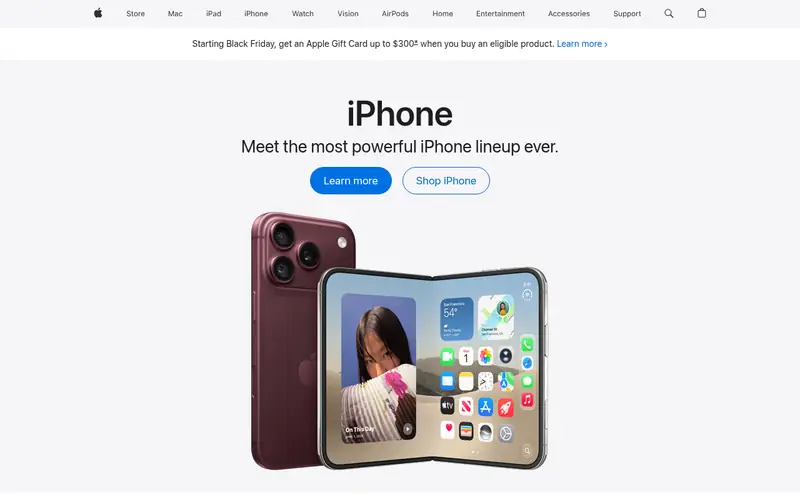
The MacBook Air 13-inch with the M4 chip is Apple's mainstream laptop. Apple lists a 13.6-inch Liquid Retina display, a fanless design, and up to 18 hours of video playback on a charge. It has two Thunderbolt ports, a MagSafe charging port, and a headphone jack. Weight is about 2.7 pounds, which suits a backpack.
It suits students in writing, research, and general coursework who want a quiet machine and long battery. The catch is fixed memory and storage: you cannot add RAM later, so buy the configuration you will need for four years. Some engineering and lab software runs only on Windows, so check your course requirements first.
Where the price comes from
Check current retail price. Hardware prices move often, so check the Apple MacBook Air 13-inch (M4) maker page or a retailer before you buy.
Benefits
- Very light at about 2.7 pounds
- fanless and quiet
- strong battery life per Apple's specs
Drawbacks
- RAM and storage are fixed at purchase
- Windows-only software needs workarounds
Use case to skip: this limit matters to you: RAM and storage are fixed at purchase.
Our take. A sensible pick for most students who want long battery and low weight.
If it does not fit, compare Lenovo IdeaPad Slim 5 or HP Envy x360 14 in this list.

- Best for
- Budget Windows coursework
- Standout
- Lower price than premium ultraportables
- Starting price
- Check current retail price
- Free plan or trial
- One-time hardware purchase
The IdeaPad Slim 5 is Lenovo's mid-range consumer laptop. It comes in several screen sizes and with AMD or Intel processors depending on the model. Lenovo lists a backlit keyboard on many configurations, a mix of USB-A and USB-C ports, and an HDMI output. It is a practical pick for students who mainly write, browse, and use office software.
The main catch is variation. Two laptops with the same name can differ in screen, processor, and battery. Read the exact configuration before buying, and check whether RAM is soldered or upgradeable. It is not a premium build, but the price is lower than the alternatives here.
Where the price comes from
Check current retail price. Hardware prices move often, so check the Lenovo IdeaPad Slim 5 maker page or a retailer before you buy.
Benefits
- Lower price than premium ultraportables
- full-size keyboard
- several screen sizes
Drawbacks
- Build is plastic on some models
- battery life varies by configuration
Use case to skip: this limit matters to you: build is plastic on some models.
Our take. A sensible pick for budget Windows coursework.
If it does not fit, compare Apple MacBook Air 13-inch (M4) or HP Envy x360 14 in this list.
- Best for
- Note-taking and sketching with a touchscreen
- Standout
- 360-degree hinge for tablet mode
- Starting price
- Check current retail price
- Free plan or trial
- One-time hardware purchase
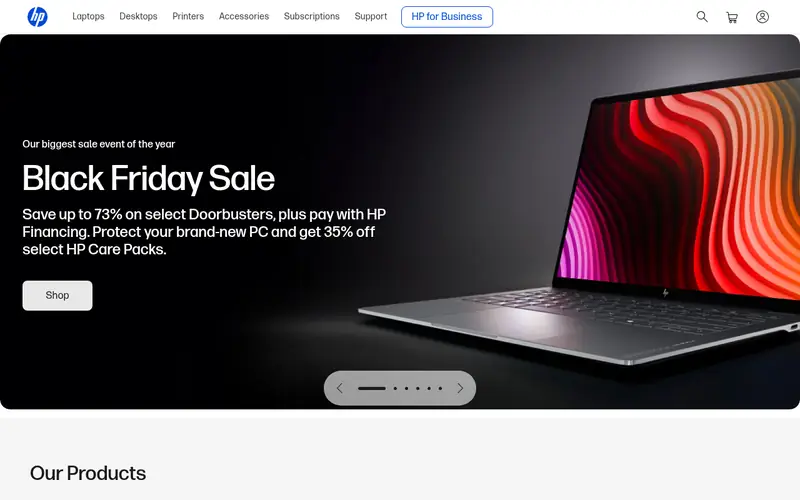
The Envy x360 14 is a convertible laptop: the screen folds back into tablet mode. HP lists a touch display and support for an active pen on many configurations, which suits handwritten notes and simple sketching. It has a metal lid on most models and a range of AMD and Intel processor options.
It suits students who take a lot of handwritten notes or draw diagrams. The catch is weight and pen cost: a convertible is heavier than a fixed-hinge laptop, and the pen is often an extra purchase. Check the exact model for pen support before you buy.
Where the price comes from
Check current retail price. Hardware prices move often, so check the HP Envy x360 14 maker page or a retailer before you buy.
Benefits
- 360-degree hinge for tablet mode
- touchscreen
- pen support on many models
Drawbacks
- Heavier than a plain ultraportable
- pen may be sold separately
Use case to skip: this limit matters to you: heavier than a plain ultraportable.
Our take. A sensible pick for note-taking and sketching with a touchscreen.
If it does not fit, compare Apple MacBook Air 13-inch (M4) or Lenovo IdeaPad Slim 5 in this list.
- Best for
- A premium Windows ultraportable
- Standout
- Compact body
- Starting price
- Check current retail price
- Free plan or trial
- One-time hardware purchase
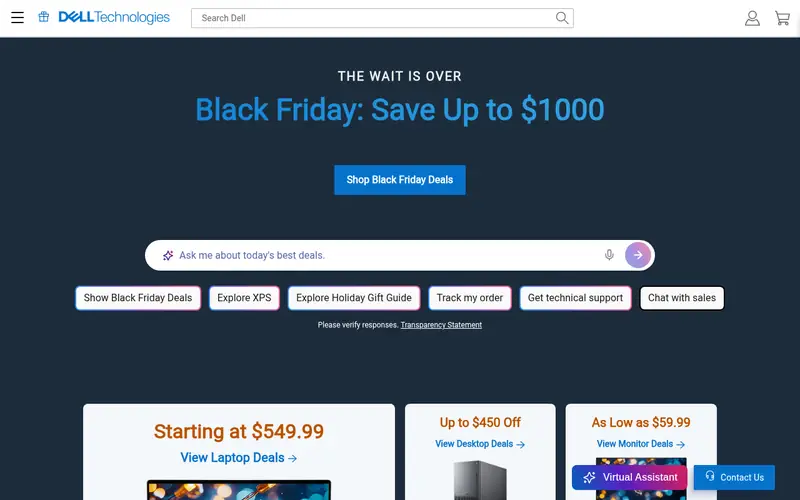
The XPS 13 is Dell's flagship small laptop. Dell lists a compact chassis, aluminum and carbon-fiber materials on many models, and a range of display options. It is aimed at buyers who want a small, well-built Windows machine and are willing to pay more for it.
It suits students who want a premium feel and portability and do not need a large screen. The catch is price and ports: some configurations have few connections, so you may need a hub for monitors or card readers. Check the port list for the exact model.
Where the price comes from
Check current retail price. Hardware prices move often, so check the Dell XPS 13 maker page or a retailer before you buy.
Benefits
- Compact body
- strong build quality
- good screen options
Drawbacks
- Higher price
- limited ports on some models
Use case to skip: this limit matters to you: higher price.
Our take. A sensible pick for A premium Windows ultraportable.
If it does not fit, compare Apple MacBook Air 13-inch (M4) or Lenovo IdeaPad Slim 5 in this list.
- Best for
- A high-quality screen at a mid-range price
- Standout
- OLED display on many models
- Starting price
- Check current retail price
- Free plan or trial
- One-time hardware purchase
The Zenbook 14 OLED is ASUS's thin-and-light line with an OLED panel on many configurations. ASUS lists a metal chassis, a range of Intel or AMD processors, and a light weight. OLED gives deep blacks and strong contrast, which helps for reading and media.
It suits students who watch a lot of video or care about screen quality. The catch is that OLED models cost more than plain LCD versions, and battery life depends heavily on brightness and what is on screen. Compare the exact panel and battery rating on the spec sheet.
Where the price comes from
Check current retail price. Hardware prices move often, so check the ASUS Zenbook 14 OLED maker page or a retailer before you buy.
Benefits
- OLED display on many models
- light chassis
- strong processor options
Drawbacks
- OLED can raise the price
- battery life varies with screen brightness
Use case to skip: this limit matters to you: OLED can raise the price.
Our take. A sensible pick for A high-quality screen at a mid-range price.
If it does not fit, compare Apple MacBook Air 13-inch (M4) or Lenovo IdeaPad Slim 5 in this list.
- Best for
- The lowest-cost everyday laptop
- Standout
- Low price
- Starting price
- Check current retail price
- Free plan or trial
- One-time hardware purchase
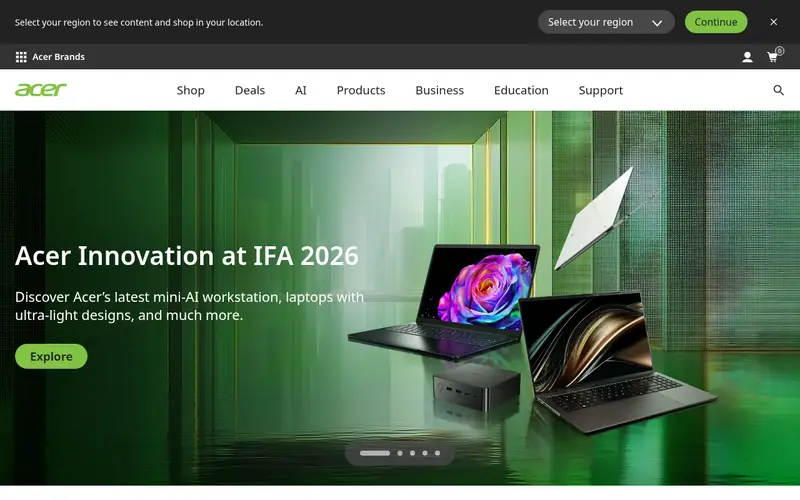
The Aspire 5 is Acer's budget line. Acer lists several screen sizes, AMD or Intel processors, and a mix of plastic and metal lids depending on the model. Many configurations have upgradeable RAM and storage, which helps stretch the budget over four years.
It suits students on a tight budget who mainly need writing, browsing, and video calls. The catch is weight and screen quality: entry models are heavier and use basic panels. Check the exact configuration, since the Aspire 5 name covers a wide range of hardware.
Where the price comes from
Check current retail price. Hardware prices move often, so check the Acer Aspire 5 maker page or a retailer before you buy.
Benefits
- Low price
- full-size keyboard with number pad on some models
- upgradeable storage on many models
Drawbacks
- Bulkier and heavier
- basic display on entry models
Use case to skip: this limit matters to you: bulkier and heavier.
Our take. A sensible pick for the lowest-cost everyday laptop.
If it does not fit, compare Apple MacBook Air 13-inch (M4) or Lenovo IdeaPad Slim 5 in this list.
- Best for
- Windows with a touchscreen and long battery
- Standout
- Touchscreen
- Starting price
- Check current retail price
- Free plan or trial
- One-time hardware purchase
The Surface Laptop 7 is Microsoft's mainstream laptop, offered in 13.8-inch and 15-inch sizes. Microsoft lists a touchscreen, a light aluminum body, and long battery life. It runs Windows and is aimed at general productivity and study use.
It suits students who want a touchscreen Windows laptop with a clean design. The catch is price and software compatibility: check that any specialist course software runs on the exact model you choose. Compare the 13.8-inch and 15-inch versions for weight and price.
Where the price comes from
Check current retail price. Hardware prices move often, so check the Microsoft Surface Laptop 7 maker page or a retailer before you buy.
Benefits
- Touchscreen
- light design
- long battery life per Microsoft's specs
Drawbacks
- Higher price
- some software may need compatibility checks
Use case to skip: this limit matters to you: higher price.
Our take. A sensible pick for windows with a touchscreen and long battery.
If it does not fit, compare Apple MacBook Air 13-inch (M4) or Lenovo IdeaPad Slim 5 in this list.
What specs matter when you buy
Start with weight and battery. You will carry the laptop every day, so anything much over 3.5 pounds gets tiring. Battery ratings on vendor pages are usually measured under light use, so treat them as an upper bound. A laptop rated for long video playback will still drain faster with many browser tabs open.
Next, memory and storage. For four years of coursework, 16 GB of RAM is a safer target than 8 GB, especially if you keep many tabs and apps open. Check whether RAM is soldered or upgradeable; many thin laptops fix it at purchase. Storage of 512 GB is a reasonable baseline, and an upgradeable SSD helps if the model allows it.
Then the screen and ports. A 13- to 14-inch screen balances portability and readability; larger screens suit design and data work but add weight. Check for at least one USB-C port for charging and displays, plus USB-A if you use older drives or accessories. Finally, confirm the keyboard layout and whether your course software runs on the operating system you choose.
Questions worth answering first
Buying checklist
- Confirm the exact model number, since one product name can cover many configurations.
- Check the weight and dimensions against your daily carry needs.
- Verify RAM is enough and whether it can be upgraded later.
- Confirm the ports match your accessories, or budget for a hub.
- Check that your course software runs on the laptop's operating system.
- Look for a student discount on the vendor's official site before paying.
FAQ
How much should a college student spend on a laptop?
A practical range is roughly $600 to $1,200. Budget Windows laptops cover writing and browsing. Premium ultraportables cost more but offer better build, screens, and battery. Set a ceiling before you shop and stick to it.
Is 8 GB of RAM enough for college?
It can work for light use, but 16 GB is safer for four years of multitasking, large documents, and browser tabs. Many thin laptops fix RAM at purchase, so choose carefully if you cannot upgrade later.
Do I need a dedicated graphics card?
Only if your course requires it, such as 3D modeling, video editing, or game development. For writing, research, and general study, integrated graphics are enough and give better battery life.
MacBook or Windows for college?
It depends on your course software. Check the required software list first. MacBooks suit general study and long battery life. Windows laptops often cost less and cover more specialist engineering and business software.
How long should a student laptop last?
Four years is a reasonable target. Buy a little more memory and storage than you need today, and check warranty terms. A model with upgradeable storage can last longer on a budget.
Is a touchscreen worth it for students?
It helps for handwritten notes, diagrams, and sketching, especially on convertibles with pen support. If you mostly type, a plain screen saves money and often weighs less.
Sources we checked
Change log: First published 22 Nov 2026.