7 Best Multimeters for Electronics Work in 2026
The Fluke 117 is the top pick for most electronics work, with true-RMS AC/DC, a 6000-count display and Fluke's build quality for daily bench and field use. Hobbyists on a budget should look at the UNI-T UT61E+, which offers high resolution and data logging for far less. For a bench meter with a large display, the OWON XDM1041 is a solid alternative.
 By Shihab Mia · Published 22 Nov 2026
We run no ads and no affiliate links at launch. The order of a list follows our published method. How lists are ordered: how we score.
Prices are the starting prices vendors list publicly. Plans change, so confirm the current price on the vendor page before you buy.
Key takeaways
- The Fluke 117 is a true-RMS meter with a 6000-count display and a list price around $200.
- The UNI-T UT61E+ costs roughly $70 and adds PC data logging via USB.
- The OWON XDM1041 is a bench meter with a 55000-count display, priced near $150.
- Cat ratings matter: choose a meter rated for the voltage category you actually work in.
- None of these are software, so there is no free plan; all are one-time hardware purchases.
Side-by-side
Grouped by fit and cost. Tap a product to jump to its full entry.
| Fit | Cost | |||
|---|---|---|---|---|
| Product | Best for | Standout feature | Listed starting price | Free plan or trial |
| 1Fluke 117 | Professional bench and field electronics work | True-RMS AC/DC measurement | Check current retail price | One-time hardware purchase |
| 2UNI-T UT61E+ | Budget hobbyists who want data logging | High-resolution display | Check current retail price | One-time hardware purchase |
| 3OWON XDM1041 | Bench work with a large readable display | Large bench-style display | Check current retail price | One-time hardware purchase |
| 4Brymen BM235 | Compact everyday-carry meter | Compact body | Check current retail price | One-time hardware purchase |
| 5Fluke 87V | Industrial and high-energy measurements | True-RMS measurement | Check current retail price | One-time hardware purchase |
| 6Klein Tools MM720 | Electricians who also do electronics | True-RMS measurement | Check current retail price | One-time hardware purchase |
| 7AstroAI AM33D | Beginners and light household tasks | Low cost | Check current retail price | One-time hardware purchase |
How we picked
We compared these meters using vendor datasheets, official product pages and published list or retail prices. We checked display counts, measurement functions, safety category ratings, connectivity and build descriptions as stated by each manufacturer. We did not run hands-on lab tests. The ranking weighs suitability for electronics work, feature set for the price and how clearly the vendor documents the specs. Prices are indicative and can change.
The 7 picks in detail

- Best for
- Professional bench and field electronics work
- Standout
- True-RMS AC/DC measurement
- Starting price
- Check current retail price
- Free plan or trial
- One-time hardware purchase
The Fluke 117 is a compact true-RMS digital multimeter aimed at electricians and electronics technicians. The vendor lists a 6000-count display, AC/DC voltage and current ranges, resistance, continuity, capacitance and diode test. It also includes VoltAlert non-contact voltage detection and a backlit display.
It suits people who want a durable meter for mixed bench and field work. The main catch is price: it costs more than most hobby meters and has no USB or Bluetooth data logging. For pure bench work, a cheaper high-resolution meter may cover your needs.
Where the price comes from
Check current retail price. Hardware prices move often, so check the Fluke 117 maker page or a retailer before you buy.
Benefits
- True-RMS AC/DC measurement
- 6000-count display
- built-in non-contact voltage detection
Drawbacks
- Higher price than hobby meters
- no PC connectivity
Use case to skip: this limit matters to you: higher price than hobby meters.
Our take. A sensible pick for professional bench and field electronics work.
If it does not fit, compare UNI-T UT61E+ or OWON XDM1041 in this list.
- Best for
- Budget hobbyists who want data logging
- Standout
- High-resolution display
- Starting price
- Check current retail price
- Free plan or trial
- One-time hardware purchase
The UNI-T UT61E+ is a true-RMS handheld meter popular with hobbyists. According to the vendor, it offers a high-count display, AC/DC voltage and current, resistance, capacitance, frequency and diode/continuity testing. It supports data logging to a PC over USB.
It fits beginners and makers who want good resolution and logging without spending much. The catch is ruggedness: it is not built to the same standard as industrial meters, and the logging software takes some setup.
Where the price comes from
Check current retail price. Hardware prices move often, so check the UNI-T UT61E+ maker page or a retailer before you buy.
Benefits
- High-resolution display
- USB data logging
- true-RMS measurement
Drawbacks
- Build feels less rugged than premium brands
- software setup can be fiddly
Use case to skip: this limit matters to you: build feels less rugged than premium brands.
Our take. A sensible pick for budget hobbyists who want data logging.
If it does not fit, compare Fluke 117 or OWON XDM1041 in this list.

- Best for
- Bench work with a large readable display
- Standout
- Large bench-style display
- Starting price
- Check current retail price
- Free plan or trial
- One-time hardware purchase
The OWON XDM1041 is a benchtop digital multimeter with a large display suited to a fixed workbench. The vendor lists high-resolution DC voltage measurement, plus resistance, current, capacitance and diode test. Some versions add USB and LAN interfaces for remote reading.
It suits people who mostly work at a desk and want an easy-to-read screen. The catch is portability: it needs mains power and is not designed for field use.
Where the price comes from
Check current retail price. Hardware prices move often, so check the OWON XDM1041 maker page or a retailer before you buy.
Benefits
- Large bench-style display
- high resolution
- USB and LAN connectivity on some versions
Drawbacks
- Not handheld
- needs mains power
Use case to skip: this limit matters to you: not handheld.
Our take. A sensible pick for bench work with a large readable display.
If it does not fit, compare Fluke 117 or UNI-T UT61E+ in this list.
- Best for
- Compact everyday-carry meter
- Standout
- Compact body
- Starting price
- Check current retail price
- Free plan or trial
- One-time hardware purchase
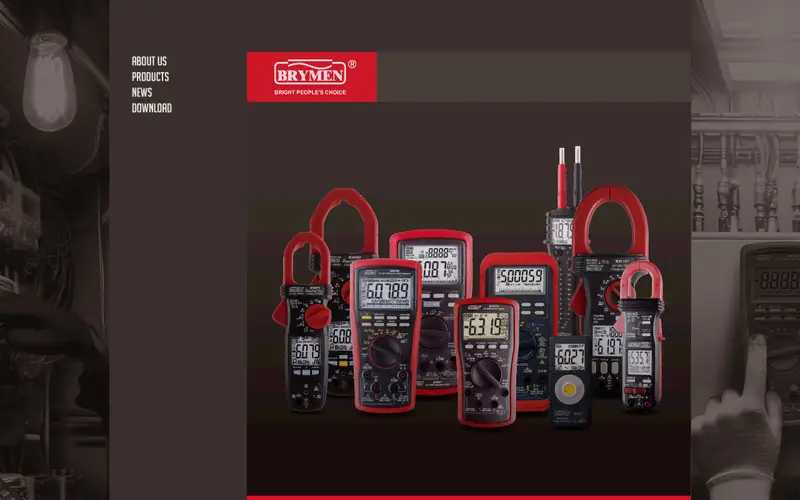
The Brymen BM235 is a compact true-RMS handheld meter. The vendor lists AC/DC voltage and current, resistance, capacitance, frequency and diode/continuity functions, with a CAT III safety rating for its class. It is often chosen by people who want a small meter that travels well.
It suits technicians who need a pocketable meter for quick checks. The catch is that it has fewer advanced functions than bigger bench or logging meters, and availability varies by region.
Where the price comes from
Check current retail price. Hardware prices move often, so check the Brymen BM235 maker page or a retailer before you buy.
Benefits
- Compact body
- true-RMS measurement
- good input protection for its size
Drawbacks
- Fewer features than larger meters
- limited availability in some regions
Use case to skip: this limit matters to you: fewer features than larger meters.
Our take. A sensible pick for compact everyday-carry meter.
If it does not fit, compare Fluke 117 or UNI-T UT61E+ in this list.
- Best for
- Industrial and high-energy measurements
- Standout
- True-RMS measurement
- Starting price
- Check current retail price
- Free plan or trial
- One-time hardware purchase
The Fluke 87V is a rugged industrial multimeter. The vendor lists true-RMS AC/DC measurement, a high-count display, frequency, capacitance, diode test and temperature measurement, with high CAT safety ratings for industrial use. It is built for tough environments.
It suits engineers working on mains, motor drives and industrial systems. The catch is cost and size: for low-voltage electronics it is more meter than most people need.
Where the price comes from
Check current retail price. Hardware prices move often, so check the Fluke 87V maker page or a retailer before you buy.
Benefits
- True-RMS measurement
- high safety category ratings
- built-in temperature measurement
Drawbacks
- Expensive
- overkill for low-voltage hobby work
Use case to skip: this limit matters to you: expensive.
Our take. A sensible pick for industrial and high-energy measurements.
If it does not fit, compare Fluke 117 or UNI-T UT61E+ in this list.
- Best for
- Electricians who also do electronics
- Standout
- True-RMS measurement
- Starting price
- Check current retail price
- Free plan or trial
- One-time hardware purchase
The Klein Tools MM720 is an auto-ranging true-RMS multimeter aimed at electricians. The vendor lists AC/DC voltage, current, resistance, capacitance, frequency and diode/continuity testing, plus a non-contact voltage tester and backlight.
It suits tradespeople who want one meter for wiring and occasional electronics checks. The catch is that it lacks the high resolution and logging features that dedicated bench users may want.
Where the price comes from
Check current retail price. Hardware prices move often, so check the Klein Tools MM720 maker page or a retailer before you buy.
Benefits
- True-RMS measurement
- auto-ranging
- built-in non-contact voltage tester
Drawbacks
- Fewer bench-focused features
- price varies by retailer
Use case to skip: this limit matters to you: fewer bench-focused features.
Our take. A sensible pick for electricians who also do electronics.
If it does not fit, compare Fluke 117 or UNI-T UT61E+ in this list.

- Best for
- Beginners and light household tasks
- Standout
- Low cost
- Starting price
- Check current retail price
- Free plan or trial
- One-time hardware purchase
The AstroAI AM33D is a low-cost digital multimeter for beginners. The vendor lists basic AC/DC voltage, DC current, resistance, continuity and diode testing with a manual-ranging dial. It is simple to use and cheap to replace.
It suits students and casual users doing low-voltage checks. The catch is that its accuracy and safety ratings are basic, so it should not be used on mains or high-energy circuits.
Where the price comes from
Check current retail price. Hardware prices move often, so check the AstroAI AM33D maker page or a retailer before you buy.
Benefits
- Low cost
- simple controls
- covers basic measurements
Drawbacks
- Basic accuracy and safety ratings
- not suited to mains work
Use case to skip: this limit matters to you: basic accuracy and safety ratings.
Our take. A sensible pick for beginners and light household tasks.
If it does not fit, compare Fluke 117 or UNI-T UT61E+ in this list.
What specs matter when you buy
Start with the display count. A 6000-count meter resolves finer changes than a 2000-count one, which matters for low-voltage electronics. True-RMS matters if you measure non-sinusoidal AC signals; for pure DC bench work it is less critical.
Safety category ratings (CAT II, III, IV) tell you what circuits the meter is rated to survive a transient on. Match the rating to your work: CAT II for household outlets and low-voltage electronics, higher categories for distribution and industrial panels. Never rely on a cheap meter for mains work.
Resolution, accuracy and update rate affect how useful the readings are. Data logging over USB or LAN helps when you need to record values over time. Also check input impedance, diode test voltage, capacitance range and whether the meter has a backlight and auto-ranging. Build quality and probe quality matter as much as the spec sheet.
Questions worth answering first
Buying checklist
- Confirm the meter's safety category rating matches the circuits you will measure.
- Check the display count and accuracy spec for the resolution you need.
- Verify the functions you use most, such as capacitance, diode test or frequency.
- Decide whether you need data logging over USB, LAN or Bluetooth.
- Check probe quality and whether spare fuses are easy to source.
- Confirm the current retail price and warranty terms with the vendor or retailer.
FAQ
What is the best multimeter for electronics work overall?
The Fluke 117 is a strong all-round choice for professional electronics work, with true-RMS measurement and a 6000-count display. Hobbyists who want data logging for less should consider the UNI-T UT61E+.
Do I need a true-RMS multimeter for electronics?
True-RMS helps when measuring non-sinusoidal AC signals, such as from switching supplies. For pure DC bench work, a standard averaging meter is often enough. Check the vendor spec for your intended use.
Is a cheap multimeter safe for mains work?
Generally no. Low-cost meters often carry basic safety ratings and should be limited to low-voltage work. For mains or industrial circuits, choose a meter with an appropriate CAT rating from a reputable brand.
What display count should I look for?
For general electronics, a 6000-count display is a good baseline. Bench work that needs finer resolution may benefit from a higher-count meter such as the OWON XDM1041.
Can these multimeters log data to a PC?
Some can. The UNI-T UT61E+ supports USB data logging, and some OWON XDM1041 versions add USB and LAN interfaces. Check the exact model and vendor documentation before buying.
Do multimeters come with a warranty?
Most reputable brands offer a warranty, but length varies by model and region. Confirm the warranty terms on the vendor site or with the retailer before you buy.
Sources we checked
Change log: First published 22 Nov 2026.